


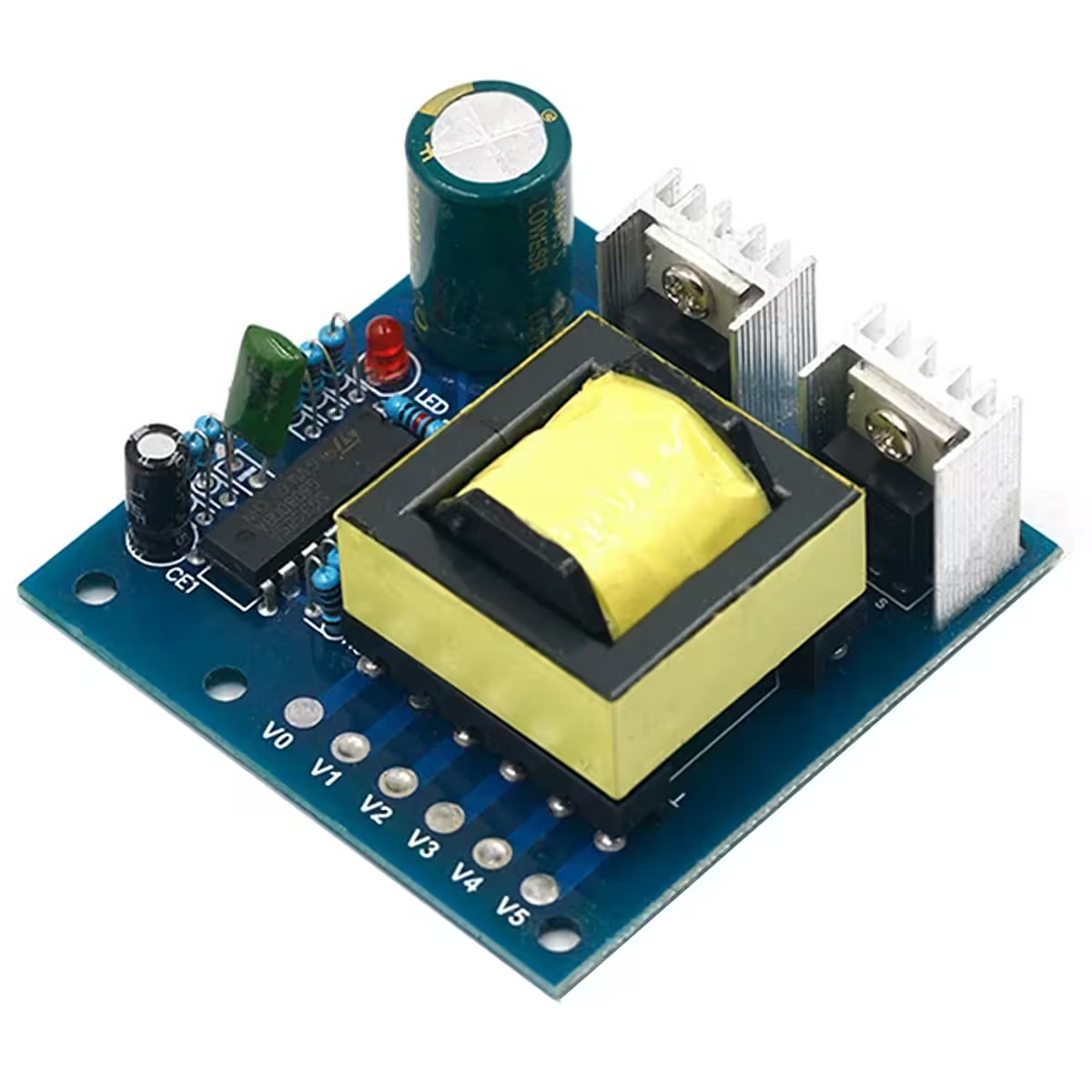
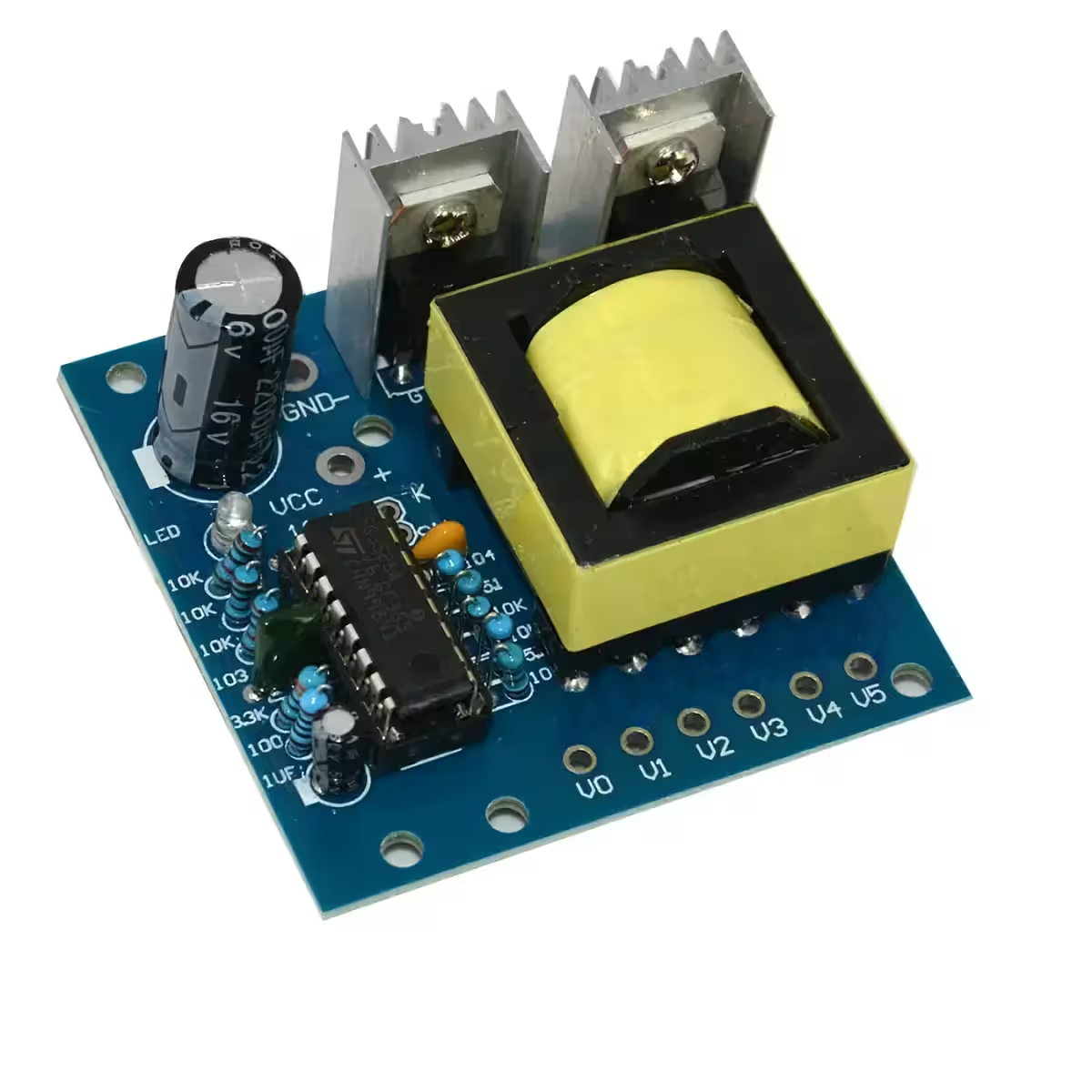
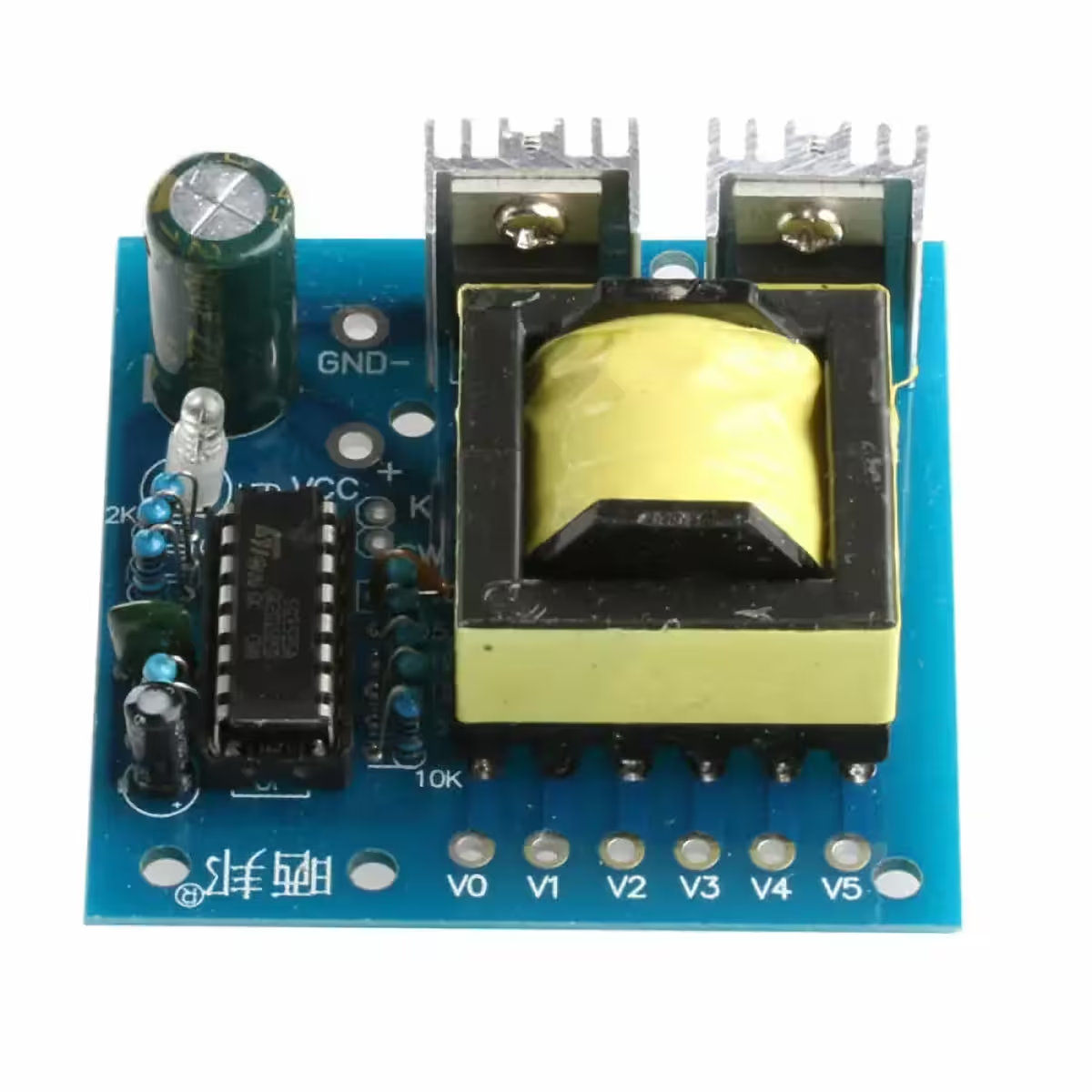
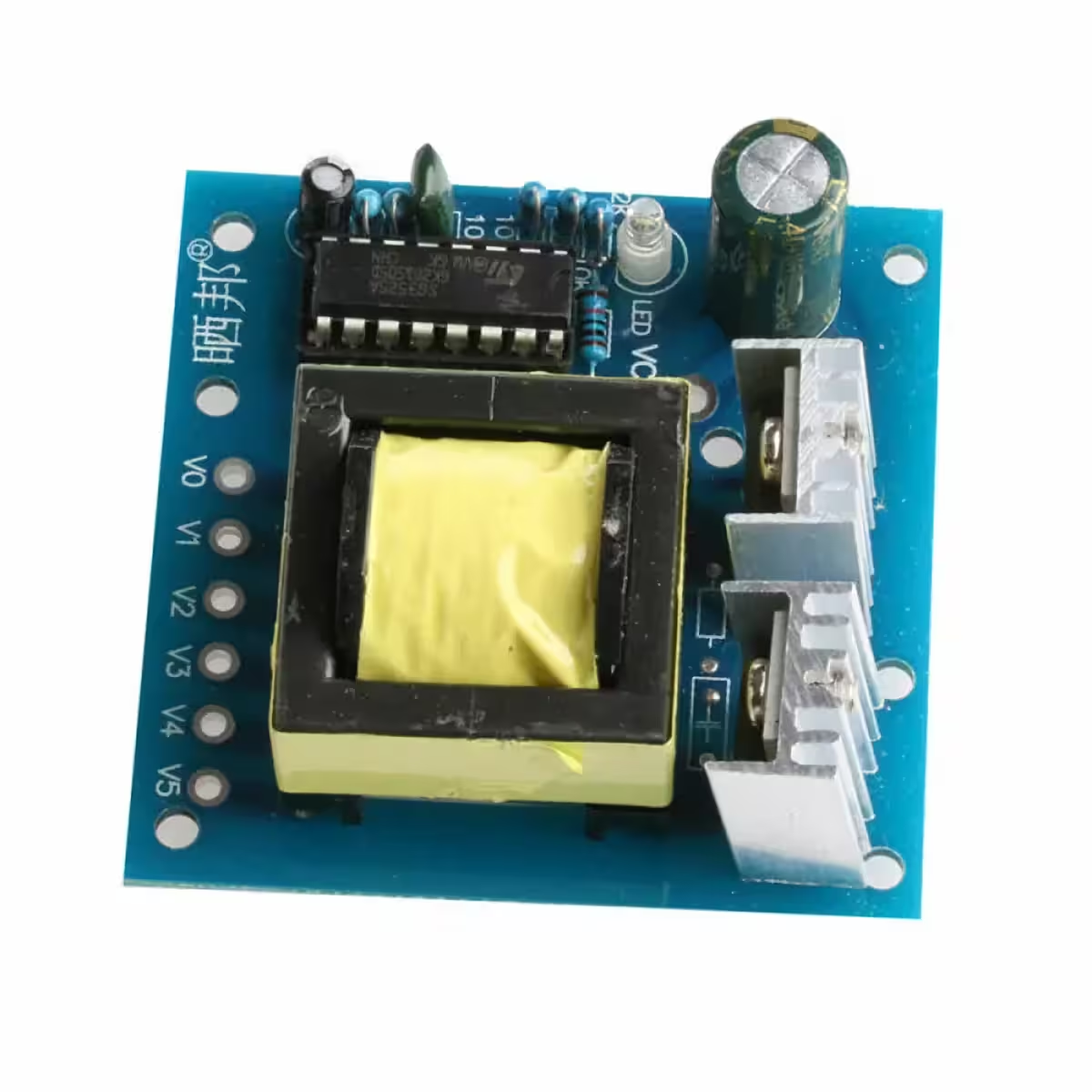
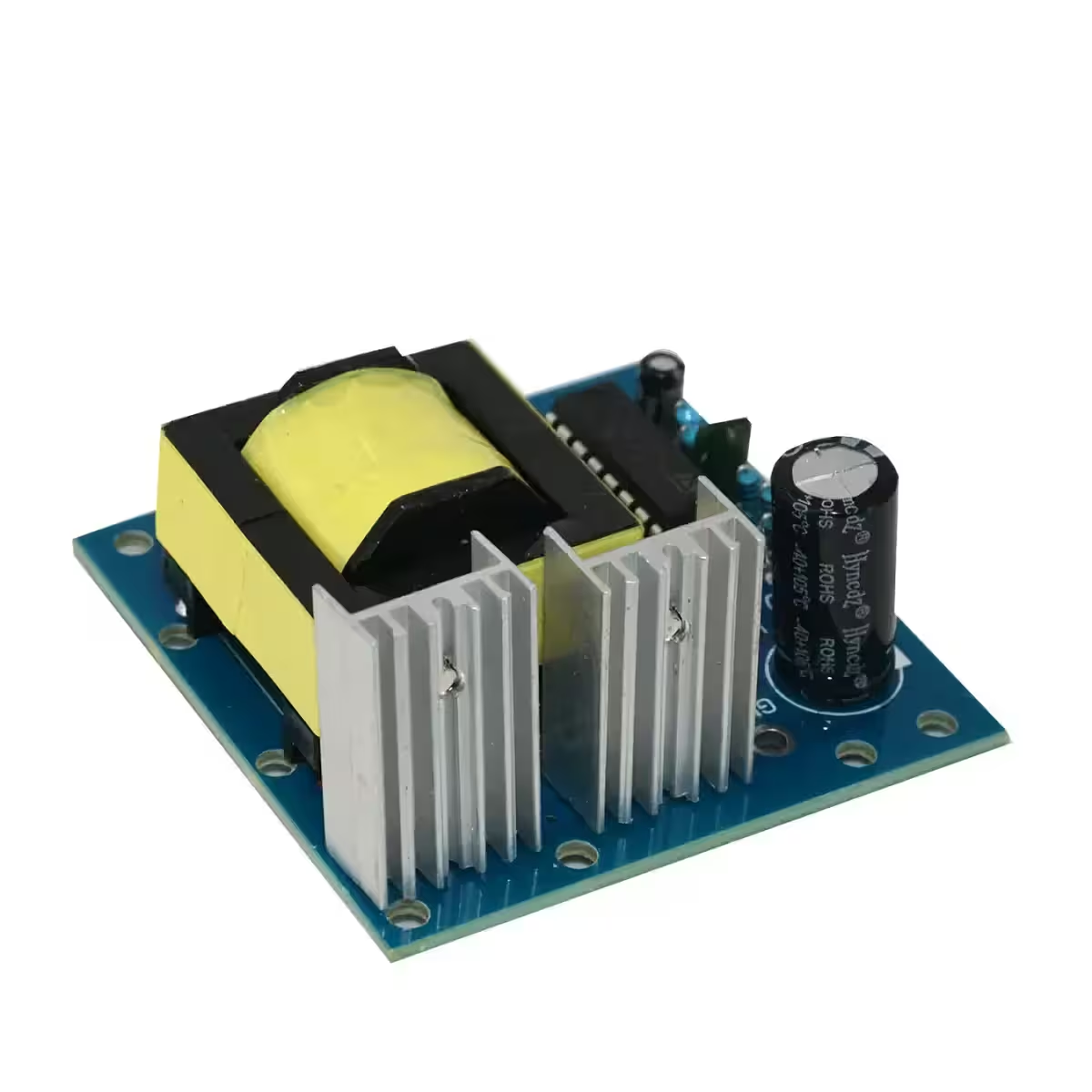
12V–220V 150W Inverter Module: 9 Configurable Voltages in One Compact Unit
Need variable AC voltage for your DIY projects, powered directly from a car battery or lab supply? This 12V–220V 150W inverter module delivers exactly that—no extra components or complex hardware modifications required. Simply rewire the output pins to select your desired voltage.
Note: This is a square wave inverter, not a pure sine wave model. It is not recommended for hi-fi audio equipment, electric motors, or precision instruments. For more sensitive applications, the 175V–200V configurations provide partial compensation for signal distortion compared to a standard sine wave.
Why choose this model? (Key Advantages):
- 9 Selectable Output Voltages — Ranging from 20V to 220V AC, selected by connecting V0–V5 pins without needing additional components.
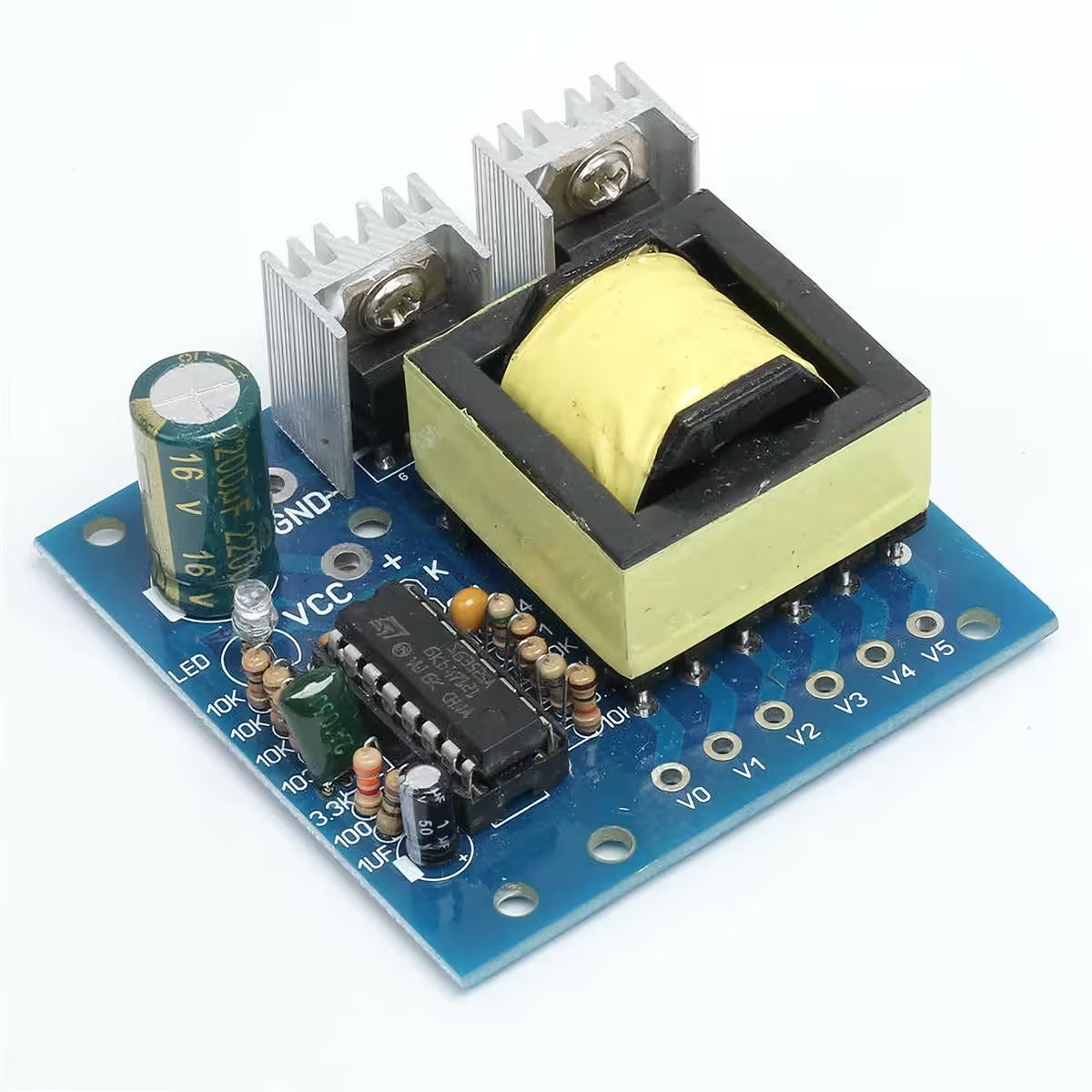
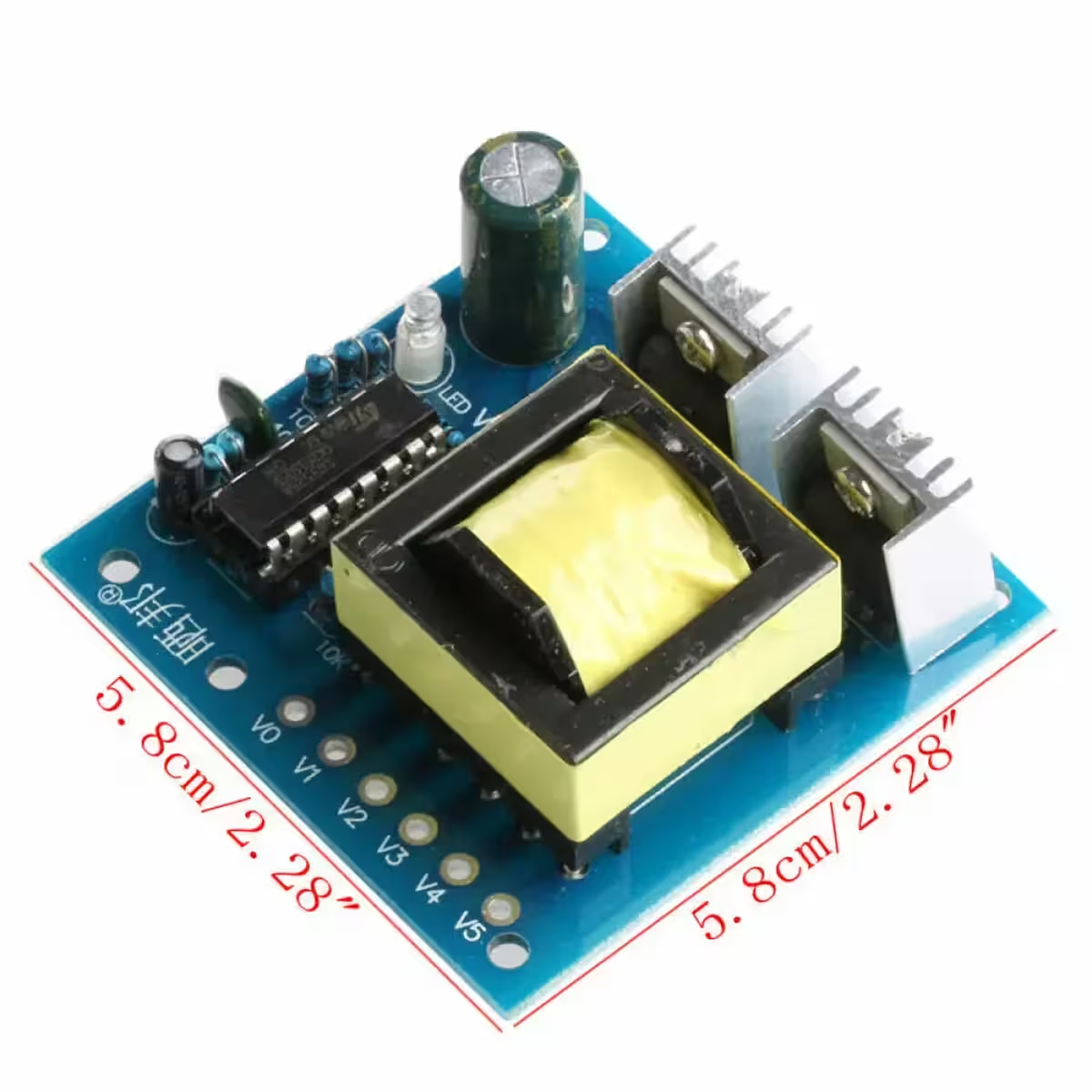
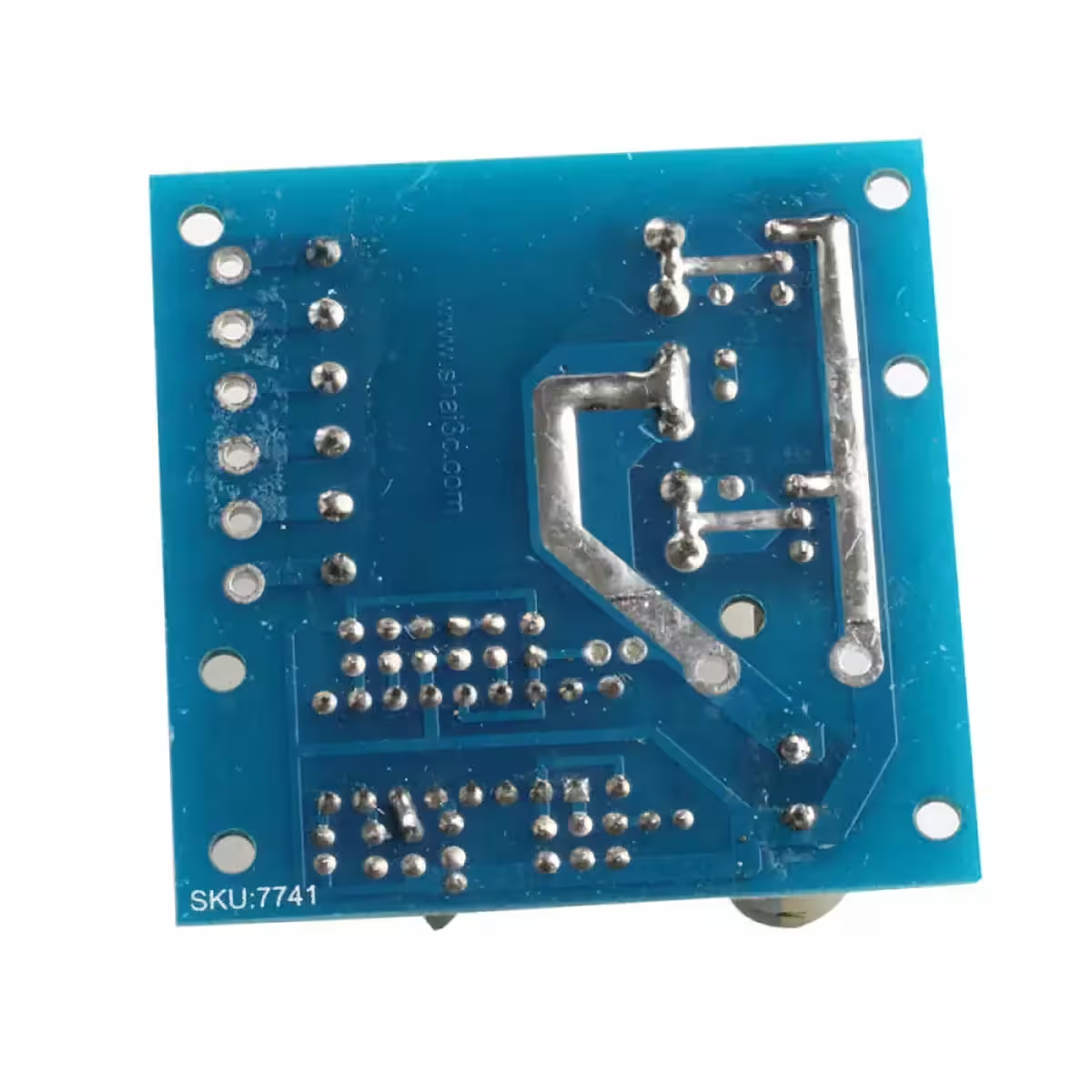
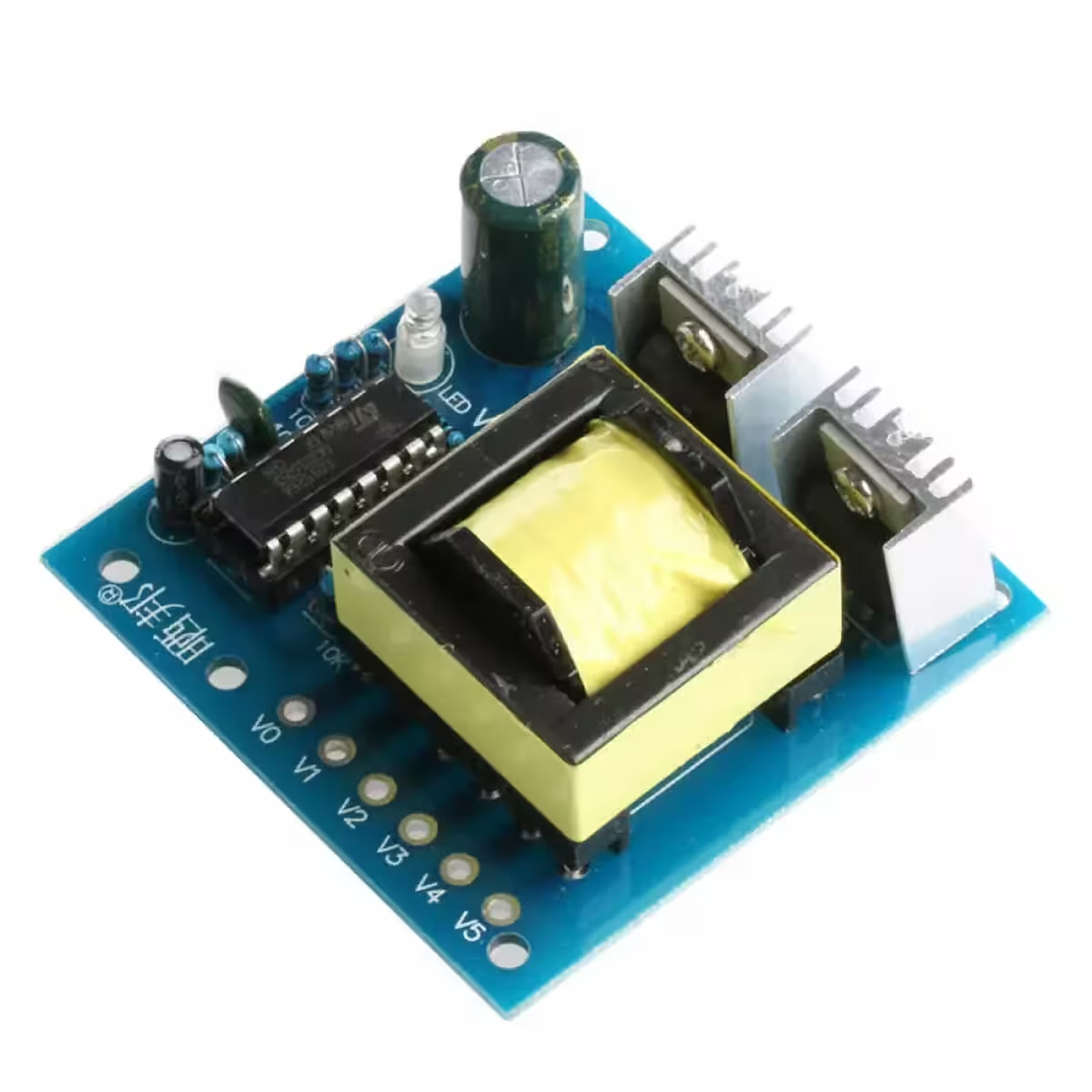
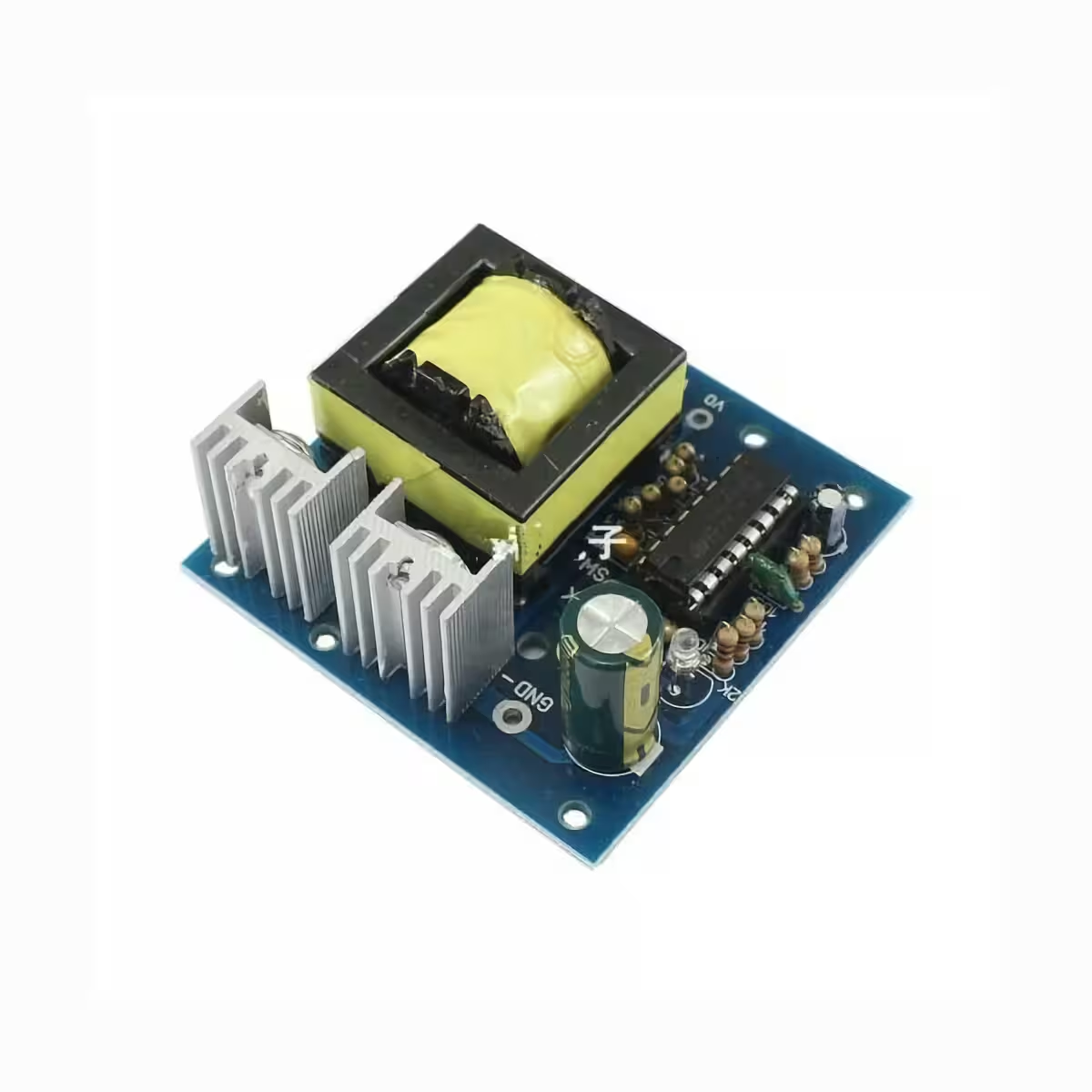
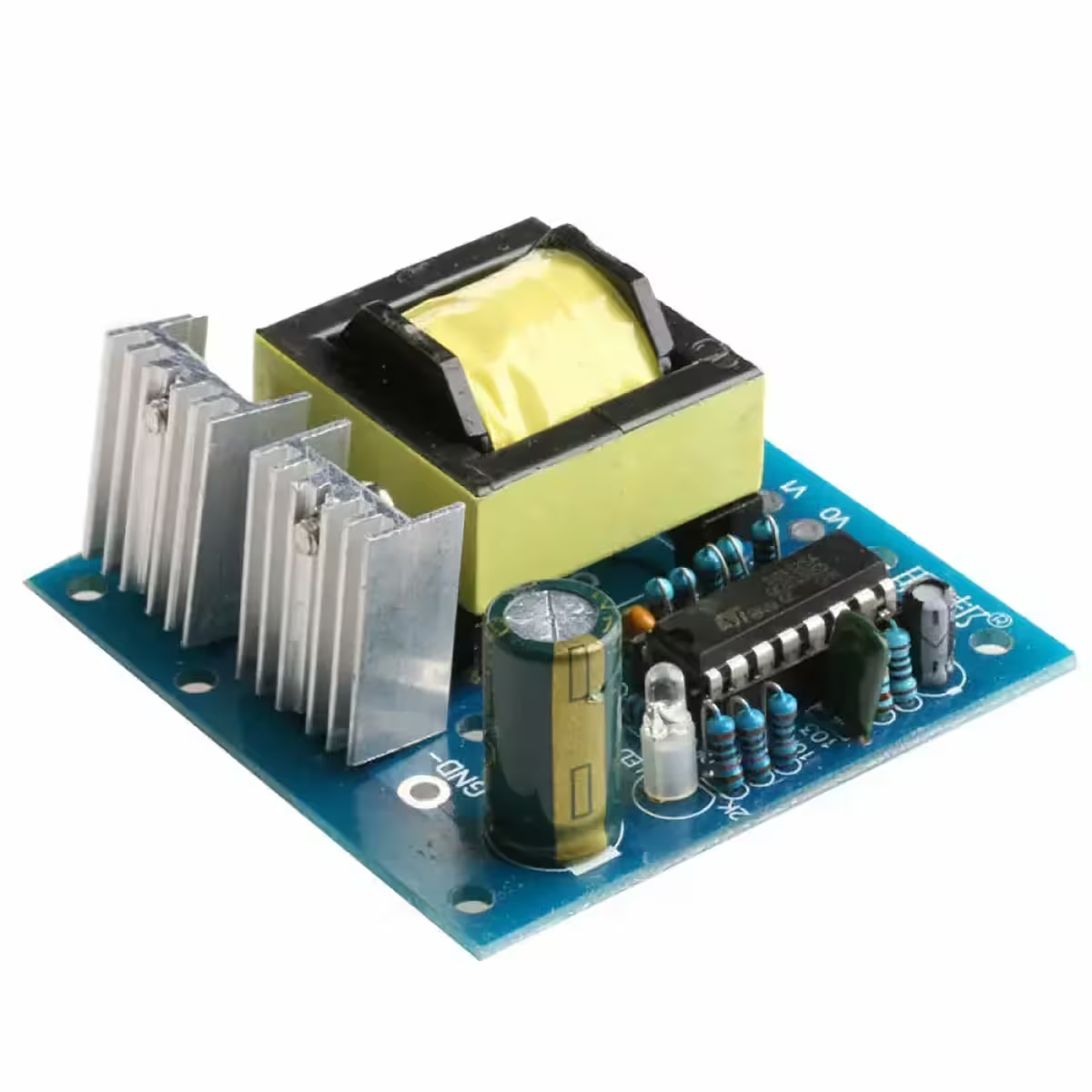
- Pocket-Sized Design — Measures just 5.8 × 5.8 × 2.8 cm, making it easy to integrate into any DIY enclosure or automotive setup without taking up valuable space.
- Direct Car Battery Compatibility — Standard 12V DC input, ready for use without special adapters or power supplies.
- 150W Rated Power — Sufficient for incandescent bulbs, heating elements, and basic chargers.
- ~20KHz Switching Frequency — Operates above the audible threshold for silent performance, even in noise-sensitive environments.
- Ideal for Rapid Prototyping — Configure your voltage in seconds using the included wiring table.
Details and Performance
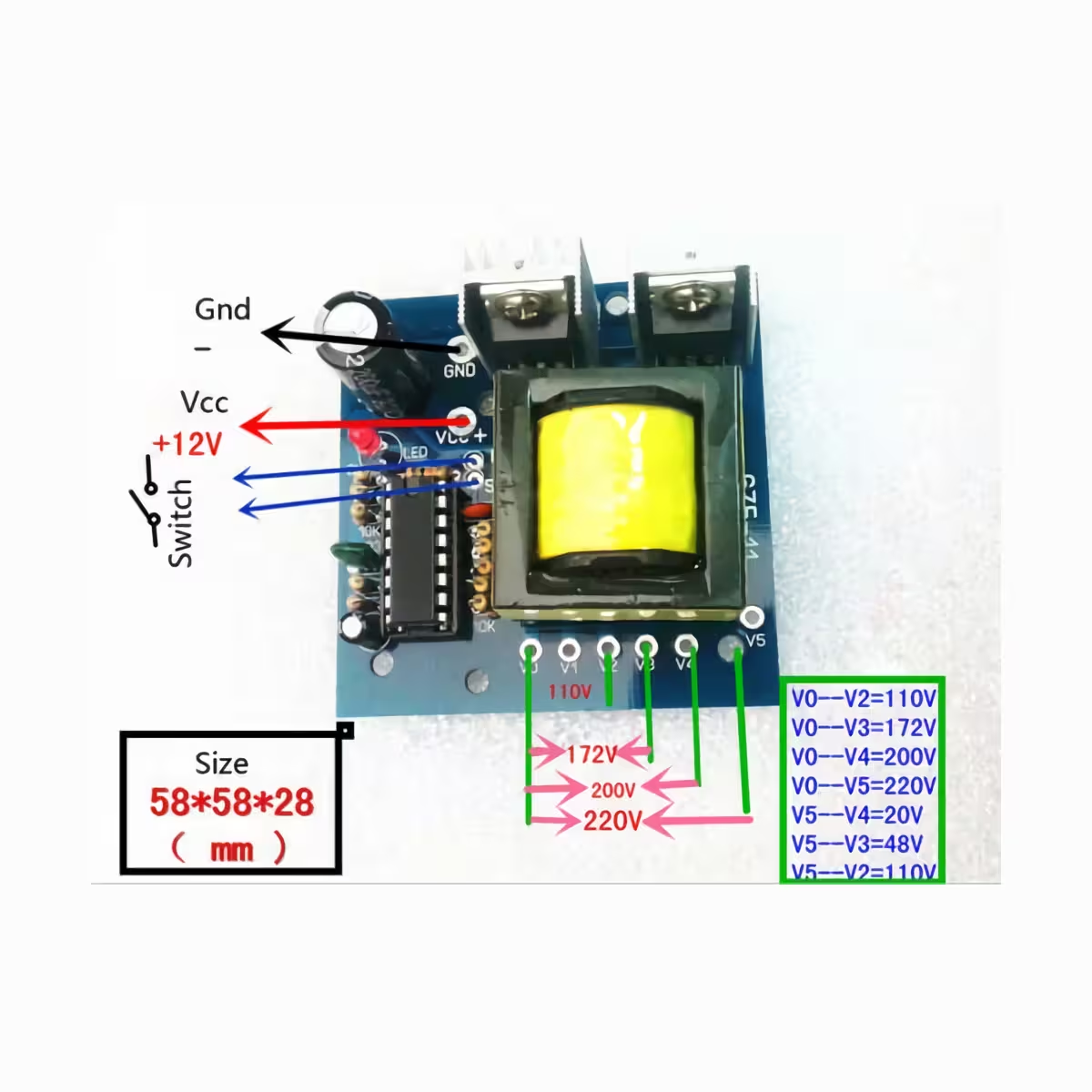
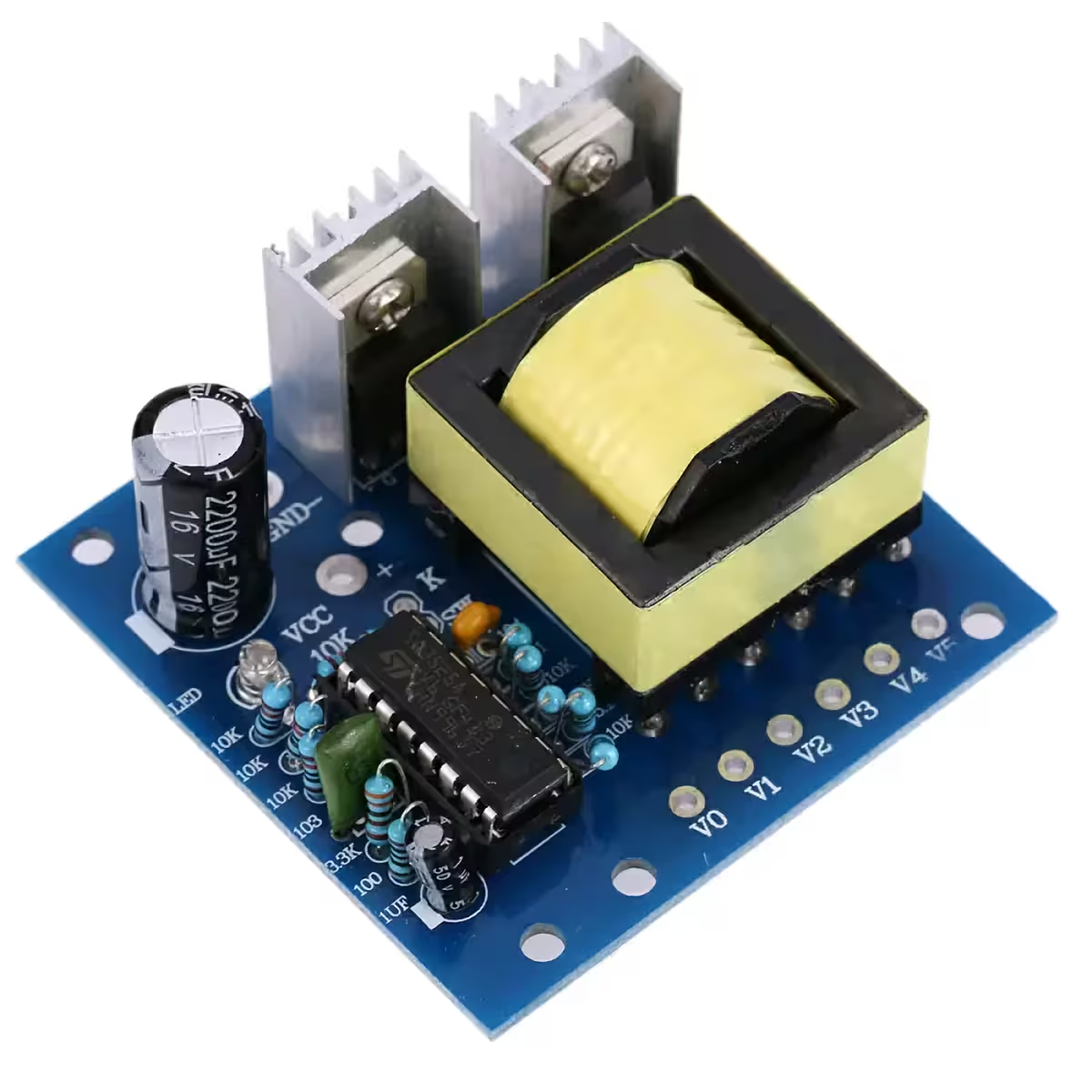
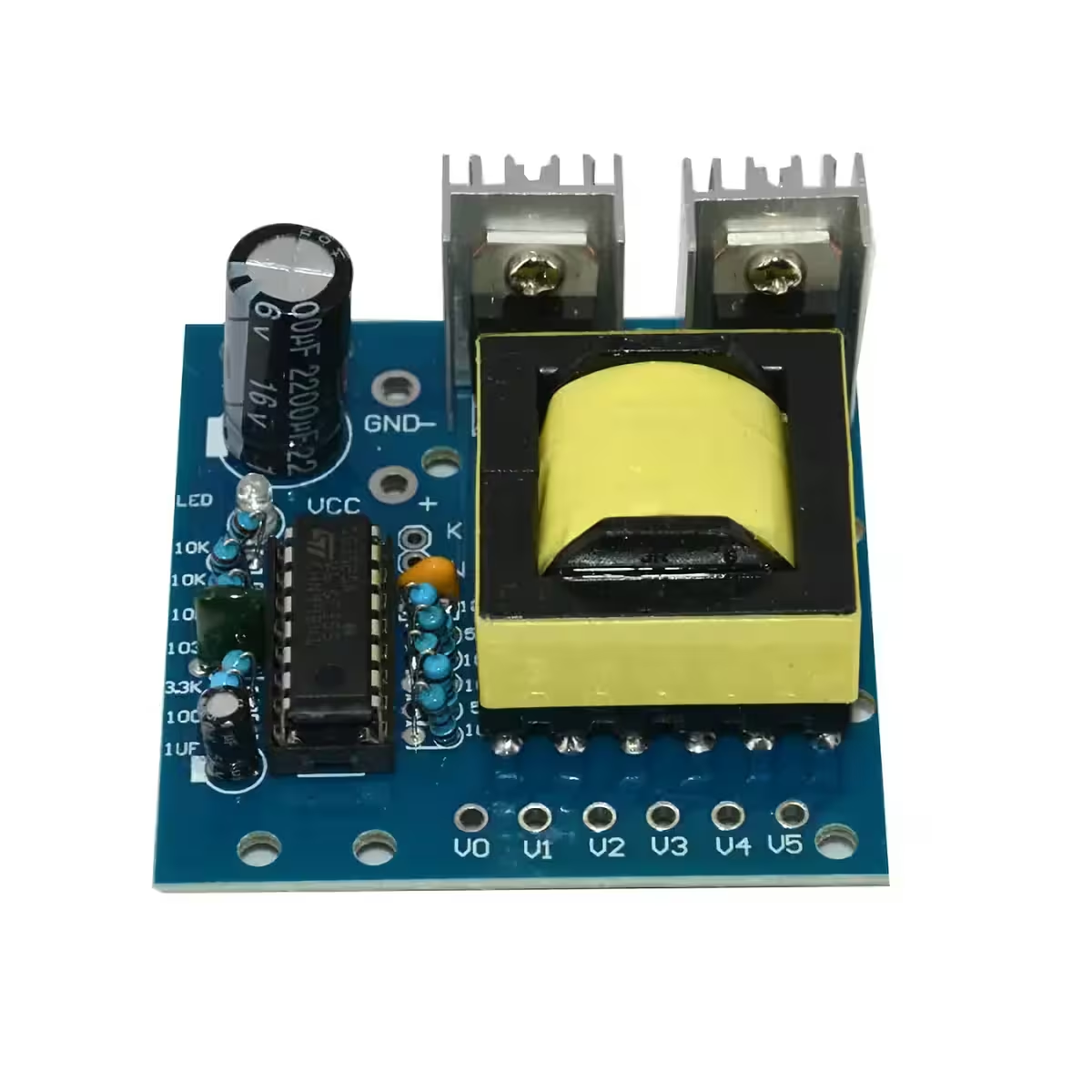
At the heart of the module is a high-frequency transformer (~20KHz) that efficiently converts 12V DC into AC voltage, maintaining a significantly smaller footprint than traditional 50Hz inverters. Output voltage is selected by pairing the V0, V2, V3, V4, V5 pins—each combination delivers a specific voltage from 20V to 220V AC.
Important note for operation: Standard digital multimeters may display inaccurate readings due to the high switching frequency. For precise measurements, please use an analogue meter to ensure stable and correct readings.
| Parameter | Value / Detail |
|---|---|
| Input Voltage | 12V DC |
| Rated Power | 150W |
| Output Waveform | Square Wave |
| Switching Frequency | ~20KHz |
| Available Output Voltages | 20V / 28V / 45V / 62V / 90V / 110V / 175V / 200V / 220V AC |
| Dimensions | 5.8 × 5.8 × 2.8 cm |
| Recommended Applications | DIY projects, incandescent bulbs, simple chargers, resistive loads |
| Not Recommended For | Electric motors, hi-fi audio, precision appliances |
Programming and Usage Instructions
- Connect 12V DC to the module’s input pins—ensure you observe the polarity marked on the PCB.
- Identify the output pins V0, V2, V3, V4, V5 as marked on the module.
- Select your desired voltage by connecting the corresponding pin pair:
- V0 – V2: 110V AC
- V0 – V3: 175V AC
- V0 – V4: 200V AC
- V0 – V5: 220V AC
- V5 – V4: 20V AC
- V5 – V3: 45V AC
- V5 – V2: 110V AC
- V4 – V3: 28V AC
- V4 – V2: 90V AC
- V3 – V2: 62V AC
- Connect your load to the selected output pins and verify the voltage with an analogue meter for maximum accuracy.
- Do not exceed 150W total output power—we recommend installing an external fuse on the power line for added protection.
Package Contents
- 1 × 12V–220V 150W Square Wave Transformer Inverter Module
Frequently Asked Questions
Can I power a laptop or TV with this module?
No. Laptops and televisions require a pure or modified sine wave signal. The square wave generated by this module is only suitable for simple resistive loads such as incandescent bulbs, heating elements, and basic chargers.
Why is my digital multimeter showing a different voltage than expected?
The high switching frequency (~20KHz) can distort readings on standard digital multimeters. Use an analogue meter to obtain correct and stable values.
Can I connect the module directly to a car battery?
Yes. The module is specifically designed for 12V DC input, making a car battery an ideal power source. Ensure your load does not exceed 150W and always install a fuse on the supply line.
Which pin configuration do you recommend for more sensitive applications?
Use the V0–V3 (175V) or V0–V4 (200V) configurations. These voltages help compensate for the differences compared to a pure sine wave and reduce stress on the connected load.
Does the module have overload protection?
It does not include a dedicated protection circuit. It is the user’s responsibility to ensure the 150W limit is not exceeded and to install an external fuse on the power circuit.

Reviews
There are no reviews yet.