


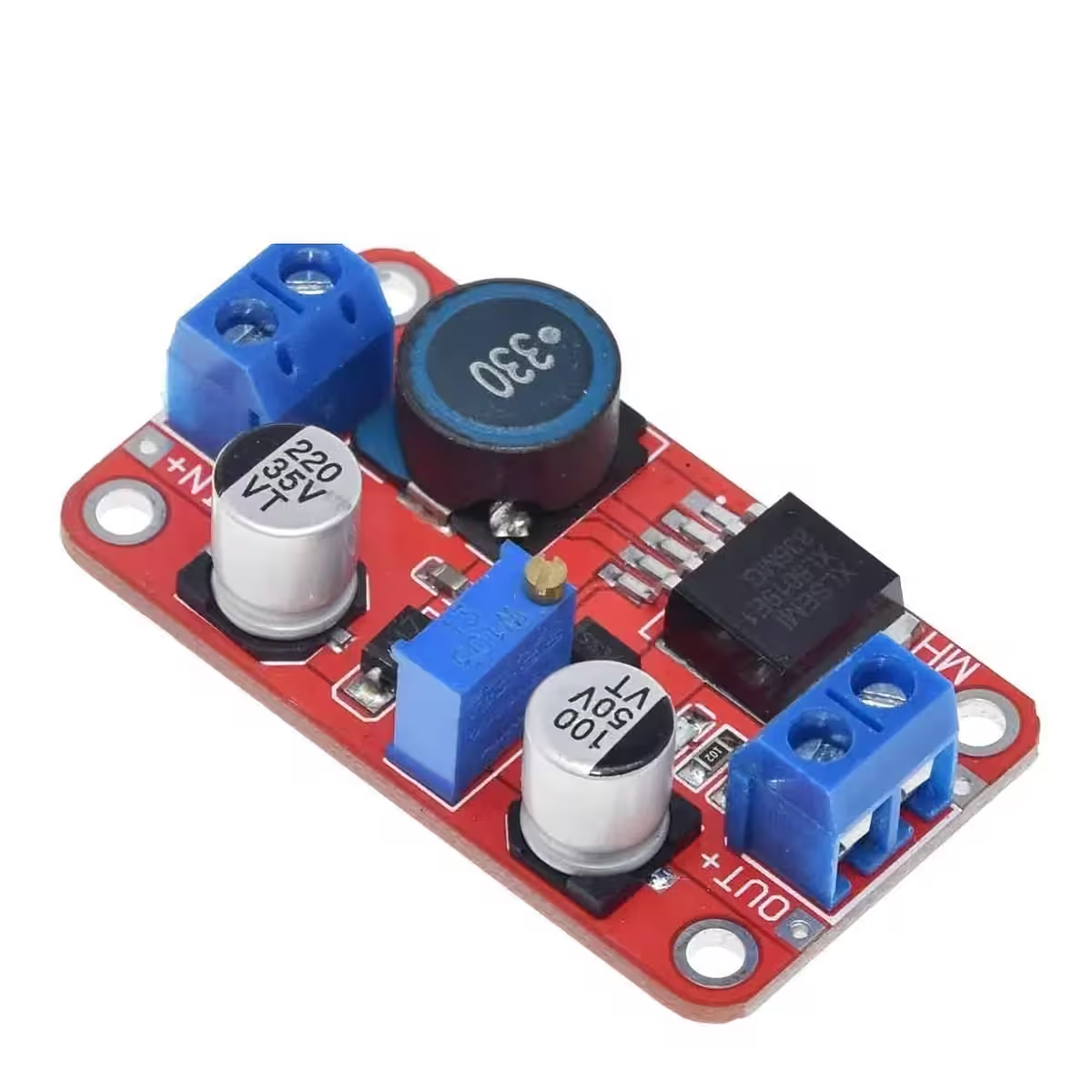
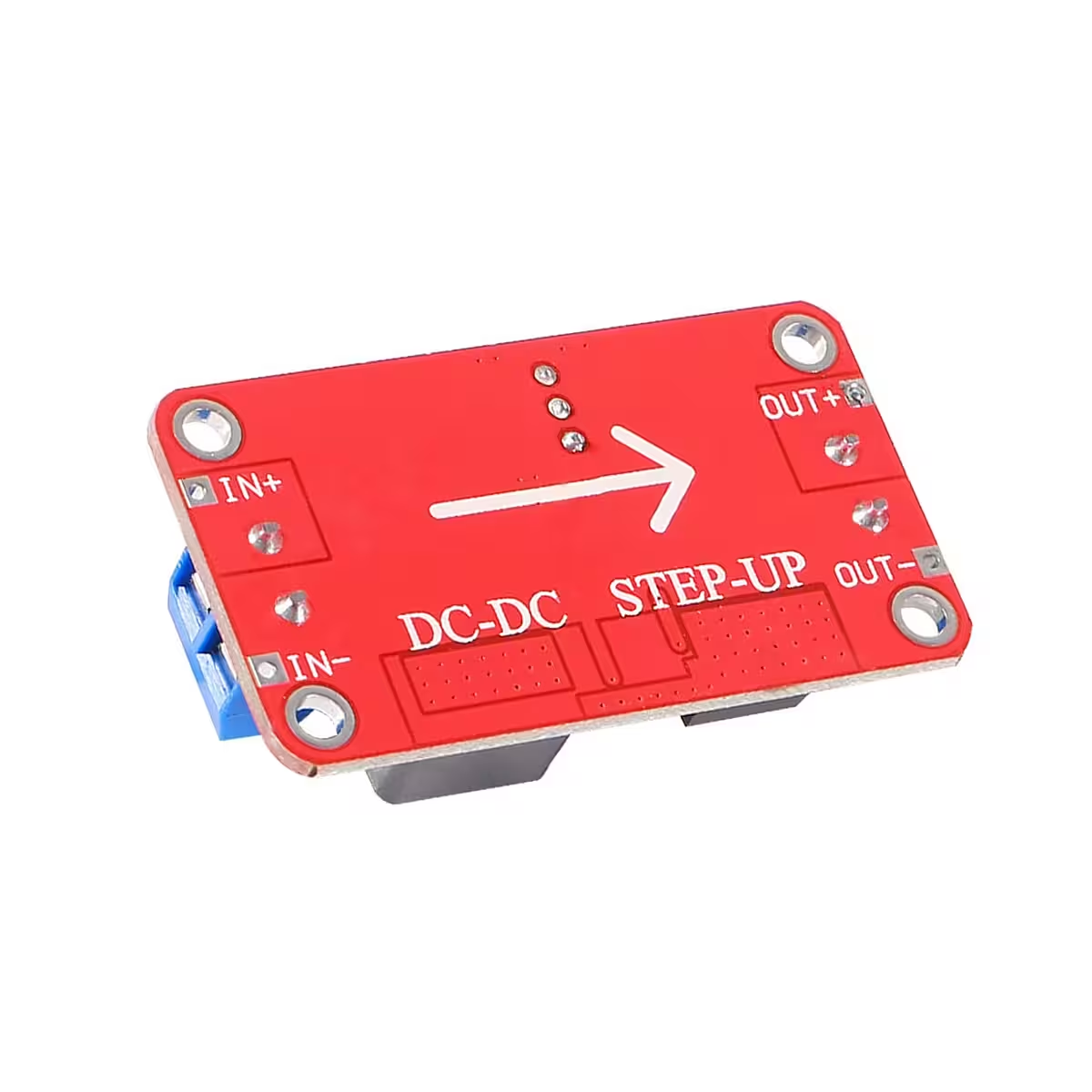
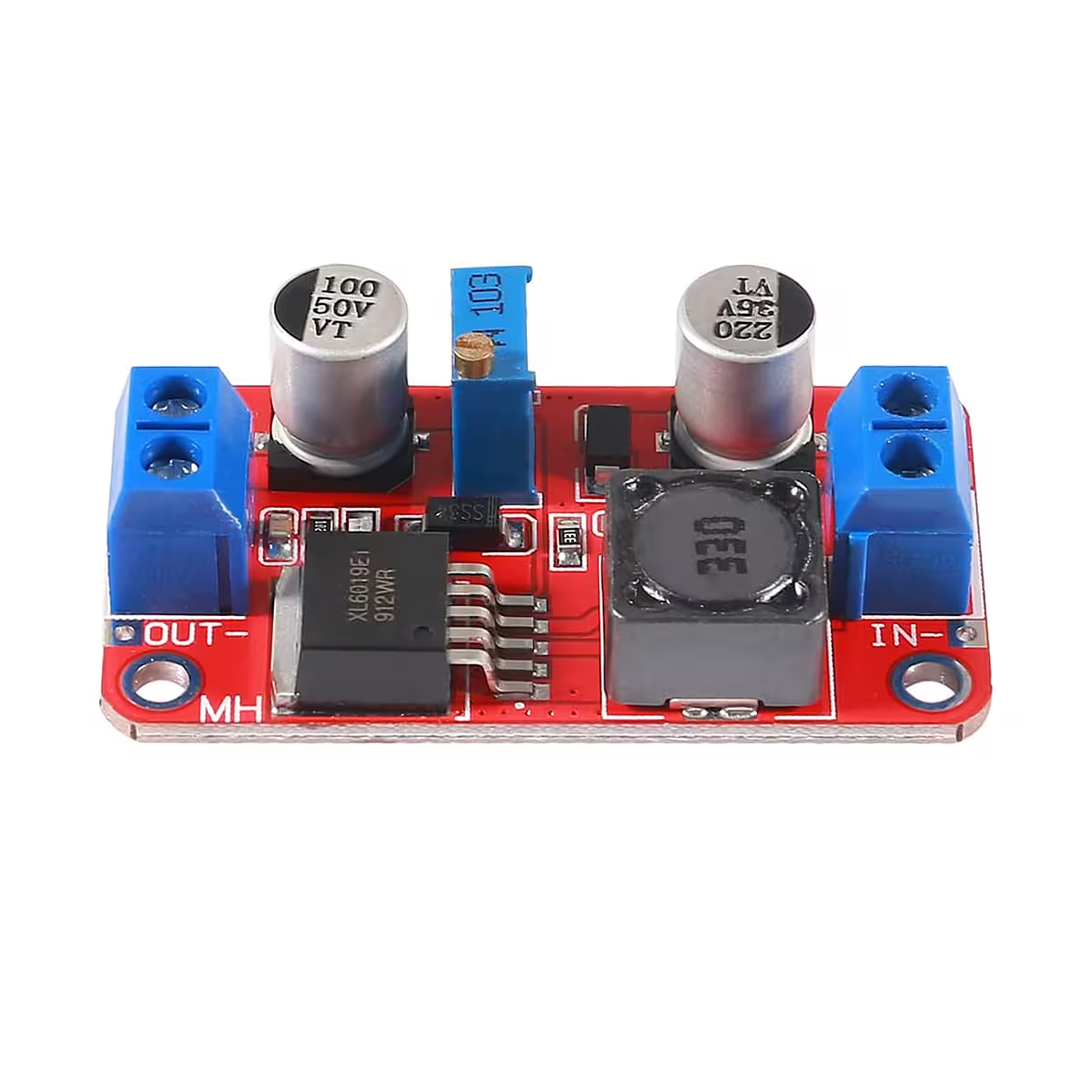
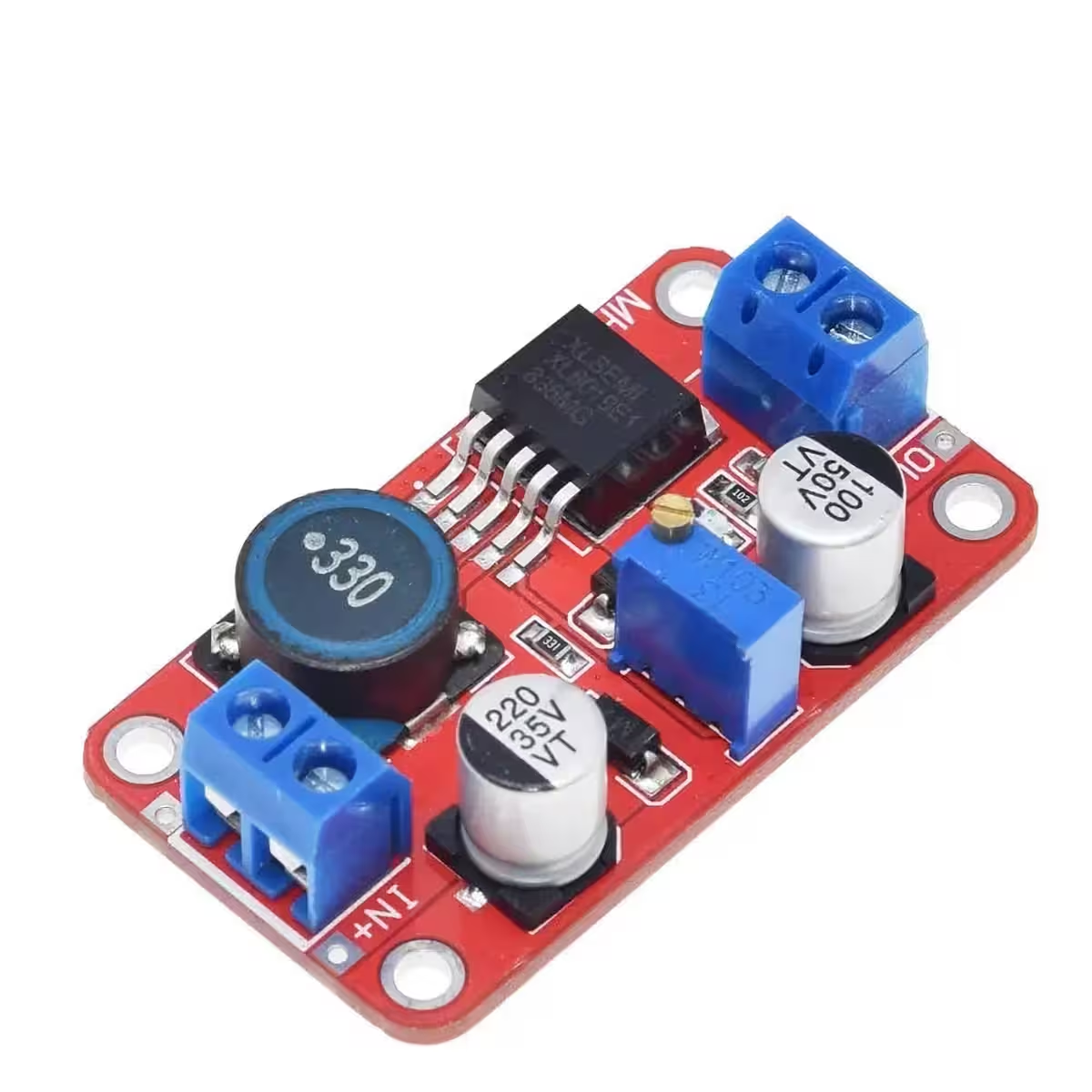
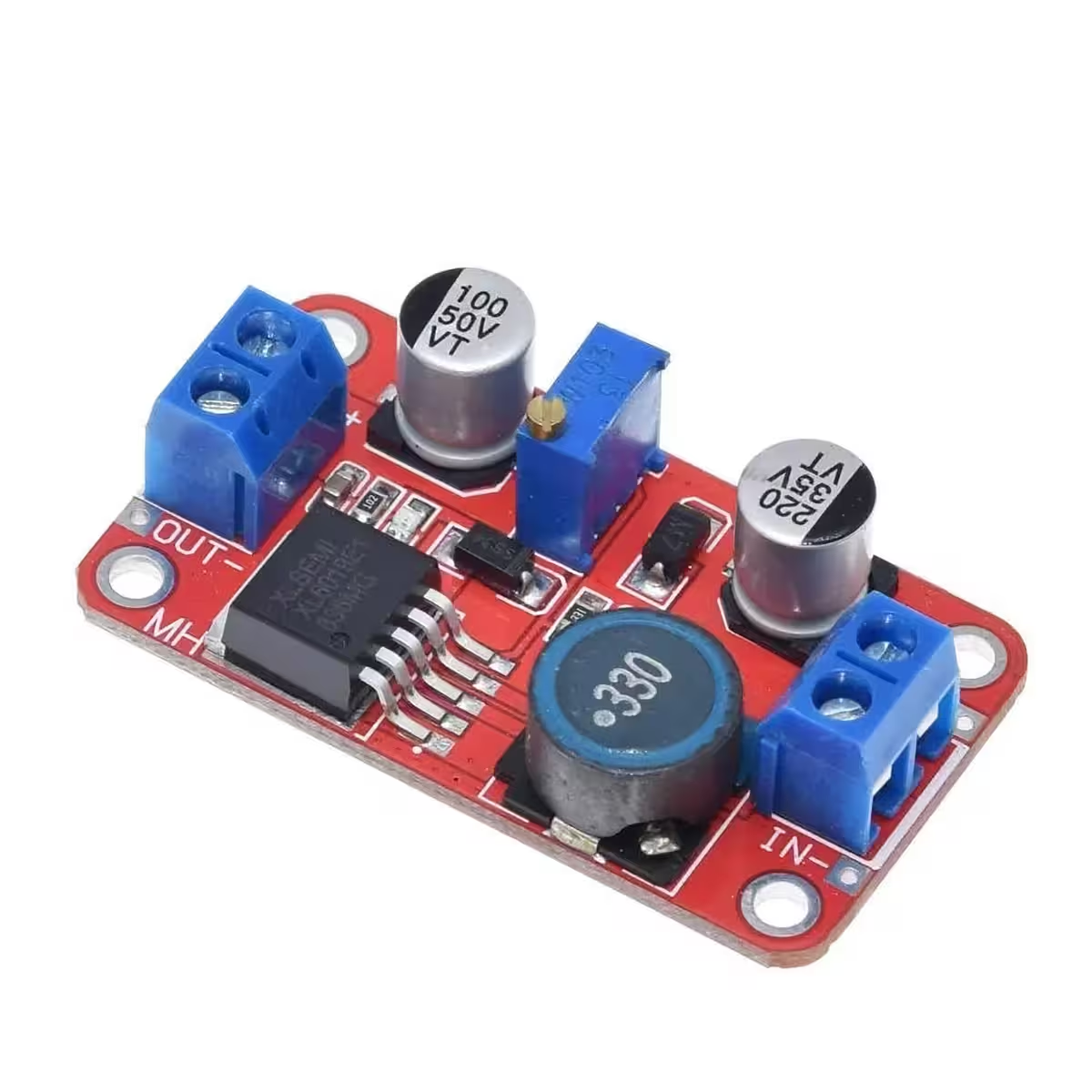
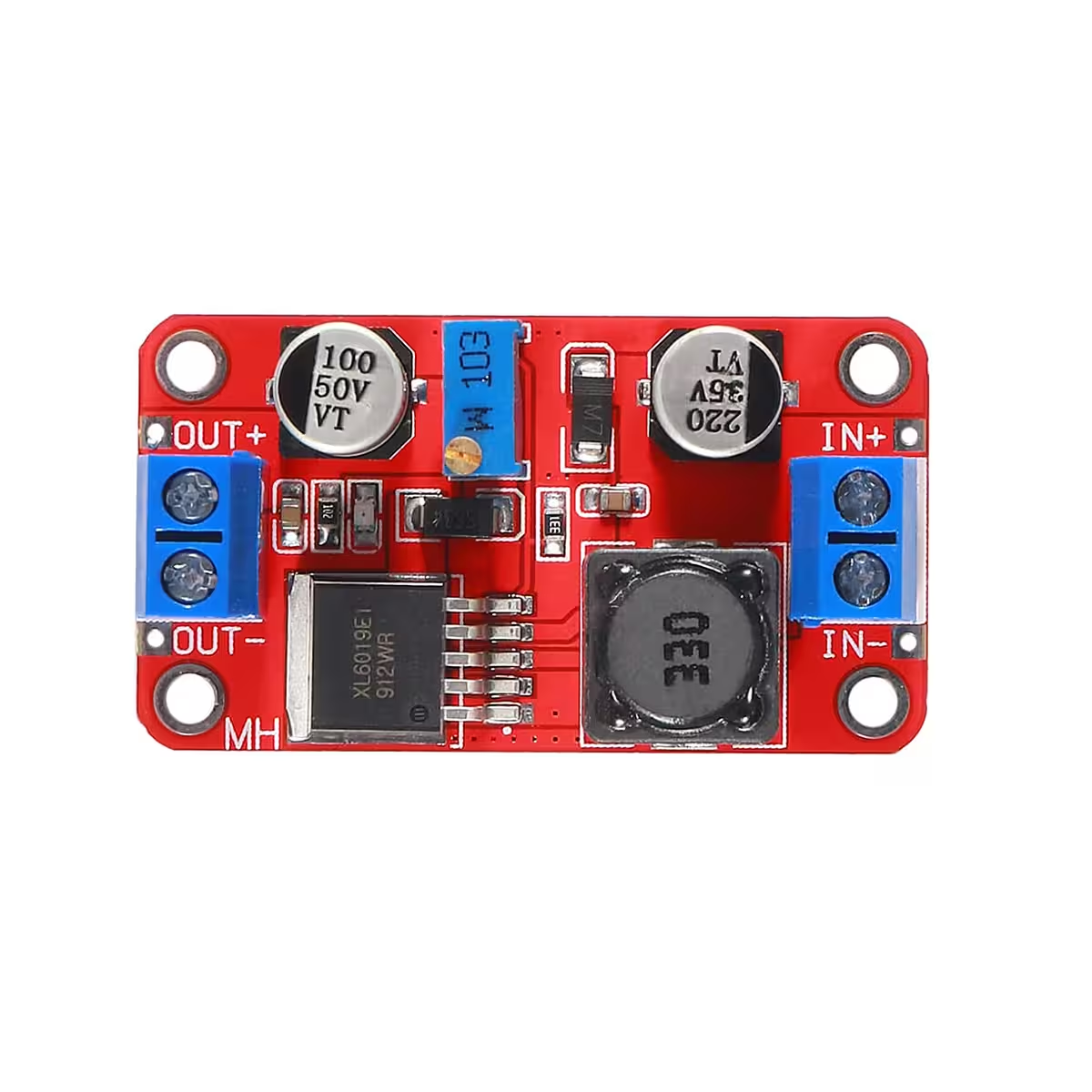
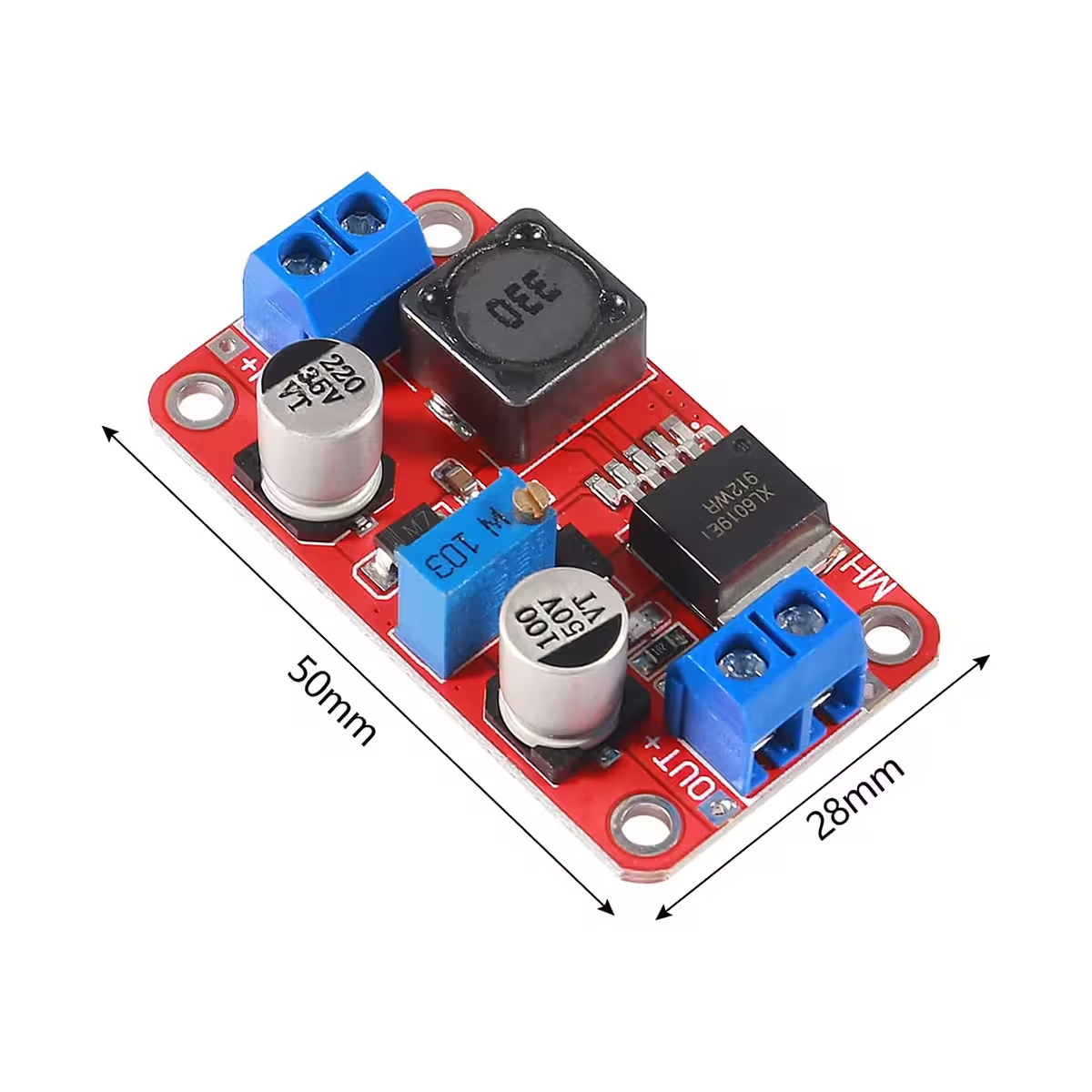
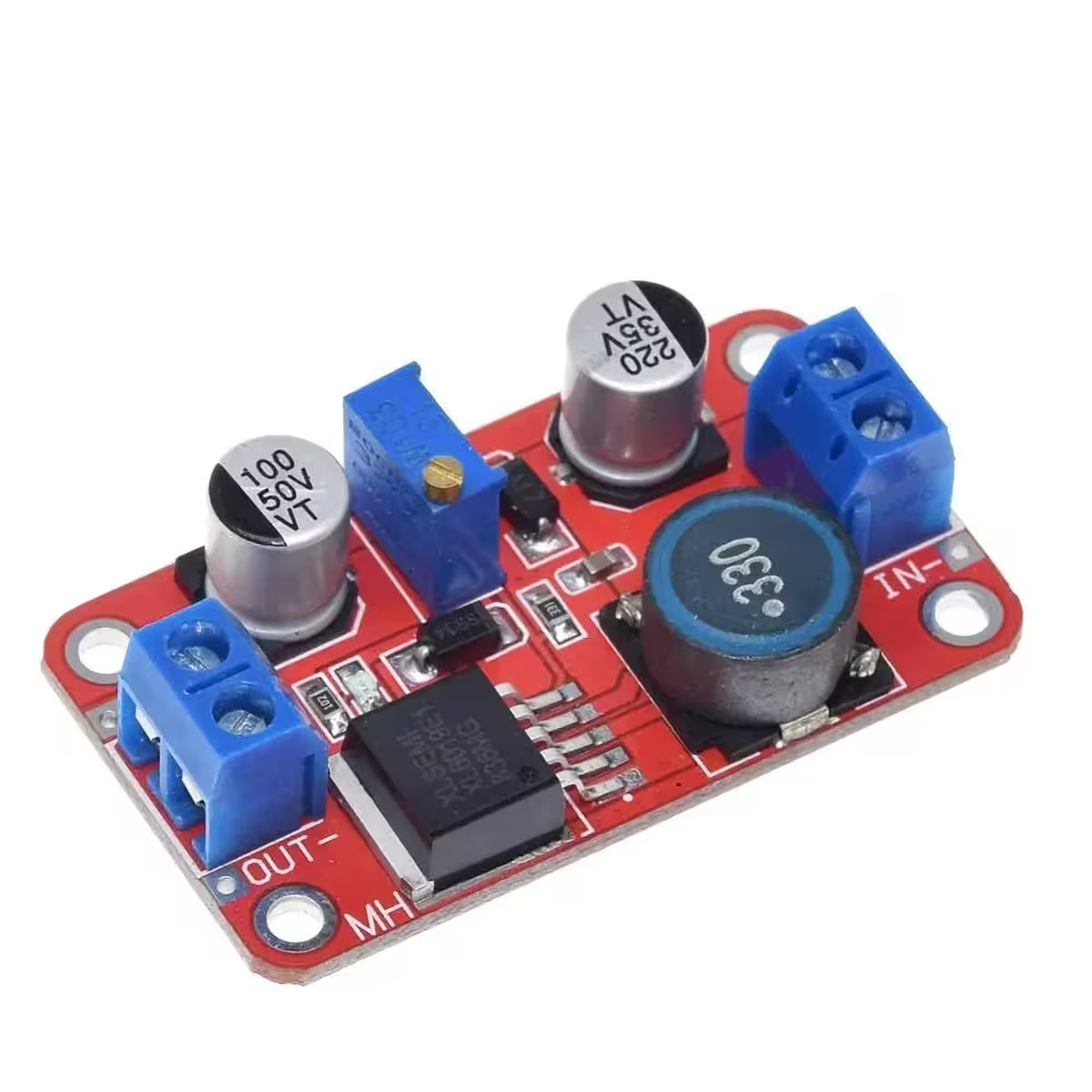
XL6019 DC-DC Boost Converter – Efficient Voltage Step-Up for Any Electronic Project
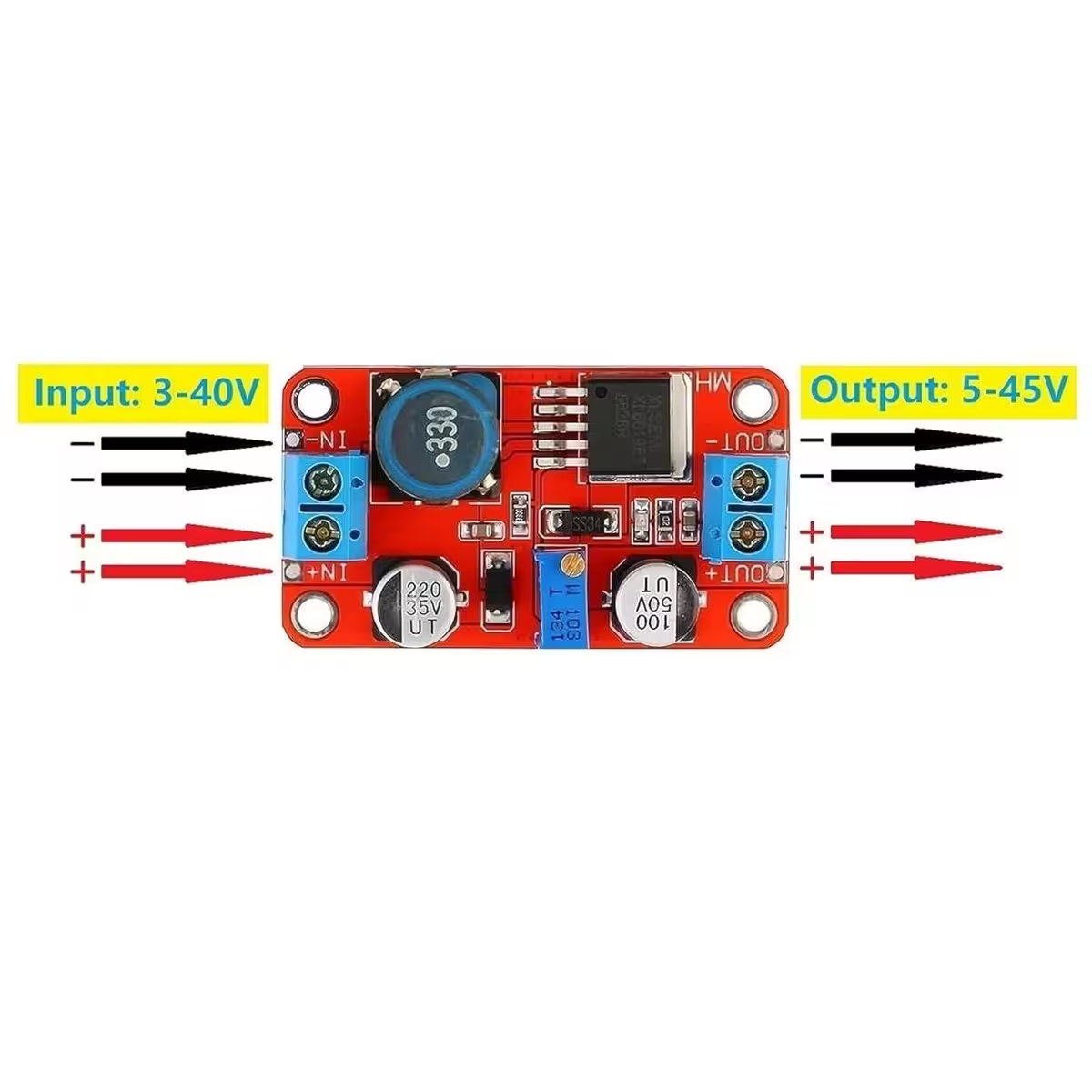
Do you have a 3.7V battery and need a stable 12V supply? Or perhaps you’re looking to harness power from a variable solar panel? The XL6019 DC-DC boost converter module is the perfect solution. It converts any input voltage between 3V and 35V into an adjustable output ranging from 5V to 40V, with an impressive efficiency of up to 94%. Designed to minimise energy waste and prevent overheating during standard operation.
Note: This is a boost (step-up) converter; the output voltage must always be higher than the input voltage. For stable operation, ensure a minimum difference of 1.5V between input and output.
Why choose this model? (Key Advantages):
- Up to 94% Efficiency — Less than 6% energy loss; runs cool at loads under 10W without the need for a heatsink.
- 5A Maximum Current — Capable of powering small motors, LED strips, or multiple modules simultaneously. For continuous use, keep the load under 2.5A without additional cooling.
- 3V–35V Input Range — Compatible with single LiPo cells (3.7V), 2–3 AA batteries, solar panels, or 12V/24V automotive power sources.
- ±0.5% Precision — Highly accurate voltage regulation, essential for sensitive microcontrollers and audio circuits.
- Low Ripple (<100mV) — The 220KHz switching frequency keeps electromagnetic noise to a minimum, preventing interference with nearby components.
- Integrated Protections — Built-in over-current and over-temperature protection to safeguard both the module and your connected load.
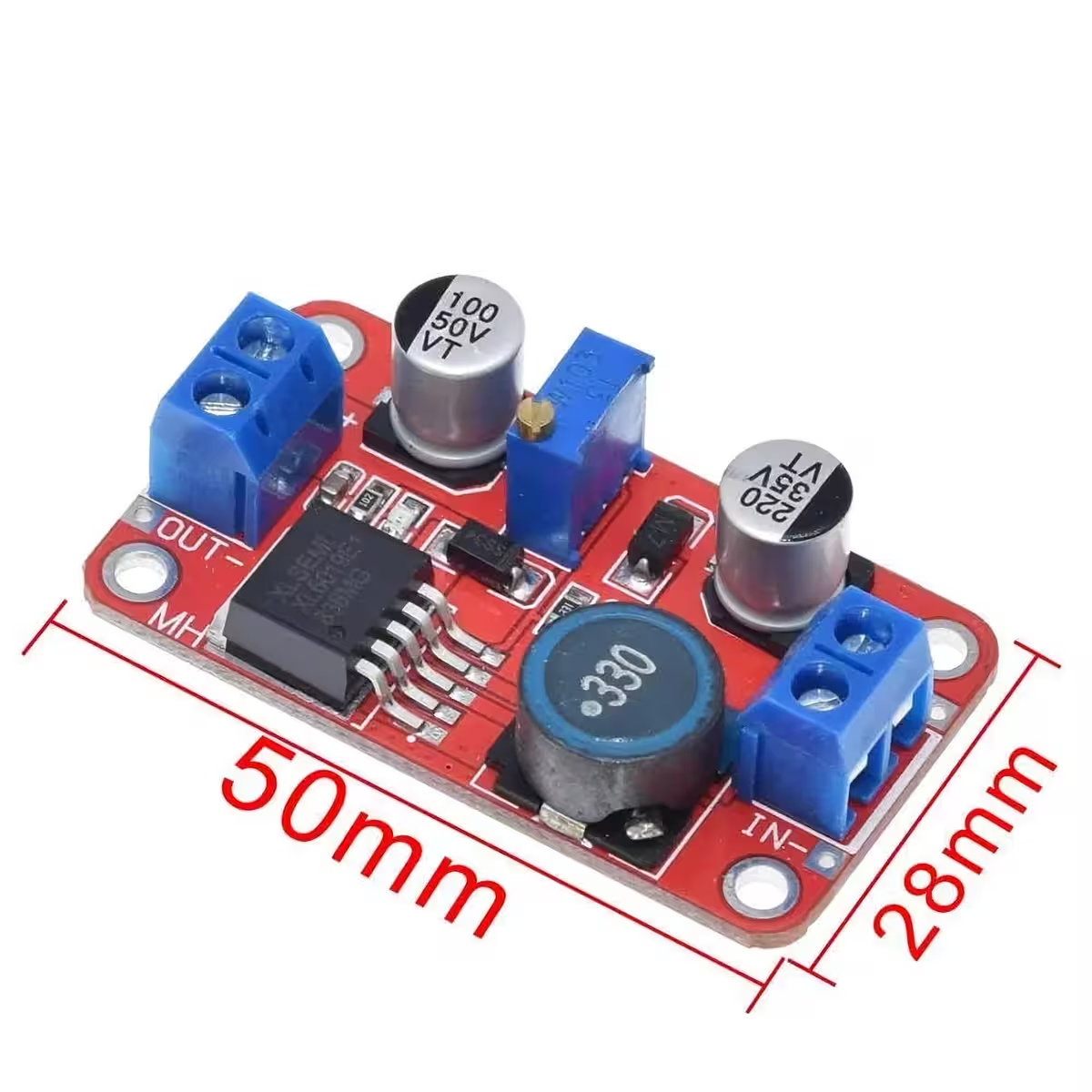
- Compact Design: 50×28×13mm — Easily fits into any DIY enclosure, portable project, or control panel without taking up unnecessary space.
Performance and Technical Details
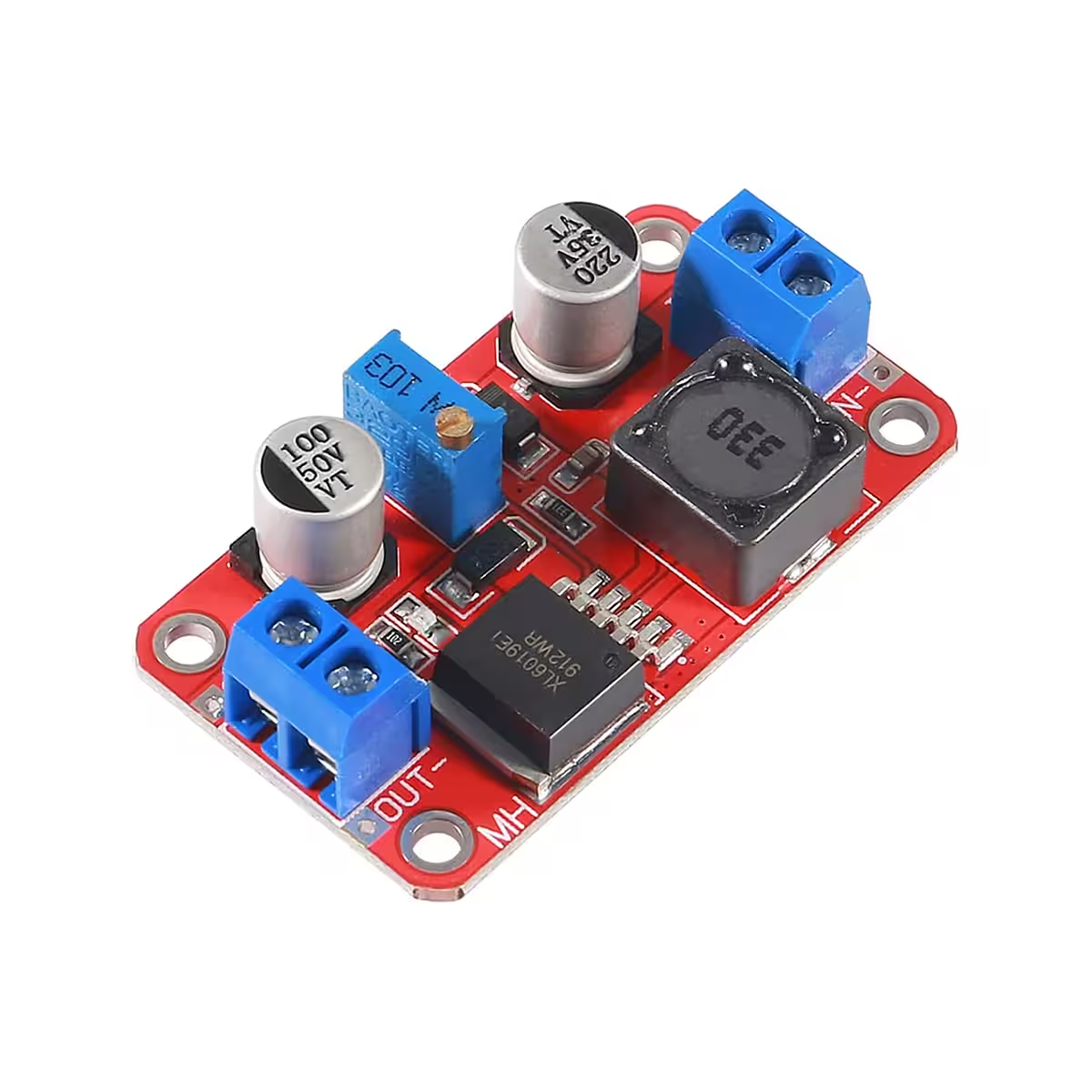
At the heart of this module is the XL6019 IC, a high-performance PWM boost controller with an integrated power MOSFET. This design reduces the need for external components, lowers noise levels, and provides more efficient conversion compared to modules using external MOSFETs. The high-quality power inductor and SMD components ensure an output ripple of less than 100mV, which is critical when powering an Arduino, audio DAC, or precision sensors.
The 220KHz switching frequency allows for smaller passive components and a rapid response to load fluctuations. If you are working with power levels exceeding 10W, we recommend attaching a heatsink to the MOSFET and ensuring proper ventilation. The module is rated for temperatures between -40°C and +85°C, making it suitable for industrial or outdoor applications.
| Parameter | Value / Detail |
|---|---|
| Input Voltage | 3V – 35V (40V absolute max) |
| Output Voltage | 5V – 40V (45V absolute max) |
| Max Output Current | 5A (Recommended continuous: max. 2.5A without heatsink) |
| Conversion Efficiency | Up to 94% |
| Switching Frequency | 220KHz |
| Output Ripple | < 100mV |
| Voltage Regulation Accuracy | ±0.5% |
| Load Regulation Accuracy | ±0.5% |
| Integrated Protections | Over-current, Over-temperature |
| Operating Temperature | -40°C ~ +85°C |
| Module Dimensions | 50mm × 28mm × 13mm |
| Converter Type | Boost (Step-Up) DC-DC |
Usage Instructions
- Connect Power Source: Apply a DC voltage between 3V and 35V to the input terminals (IN+ and IN–). The onboard LED will light up to confirm power.
- Initial Output Measurement: Before connecting your load, use a digital multimeter on the output terminals (OUT+ and OUT–) to check the factory-set voltage.
- Adjust Potentiometer: Turn the potentiometer clockwise to increase the output voltage, or anti-clockwise to decrease it. Adjust slowly while monitoring the multimeter.
- Check Voltage Differential: Ensure the set output voltage is at least 1.5V higher than the input voltage for stable operation.
- Connect Load: Once the desired voltage is set, connect your load. For loads over 10W, attach a heatsink to the MOSFET chip and ensure adequate airflow.
Package Contents
- 1x XL6019 DC-DC Boost Converter Module
Frequently Asked Questions
Can I use this module to get 12V from a 5V battery?
Yes, absolutely. Keep in mind that at ~90% efficiency, drawing 1A at 12V will require approximately 2.5A from your 5V source—ensure your power supply can handle this current.
Can it be used to charge Li-Ion batteries?
It can provide the necessary voltage (e.g., 4.2V or 8.4V for 2S), but it does not have a built-in battery management system (BMS). Please connect a dedicated charging module (like a TP4056) to the output—do not charge batteries directly without proper protection.
Is it compatible with solar panels?
Yes, this is a common application. It boosts the variable voltage from a panel (between 3V and 35V) to a fixed voltage for charging batteries or powering devices, even as the panel output fluctuates throughout the day.
Why does the output voltage fluctuate slightly under heavy loads?
At currents approaching 5A, ripple can increase. Adding a 470–1000µF electrolytic capacitor to the output and attaching a heatsink to the MOSFET will help. For maximum stability, keep continuous current below 2.5A without extra cooling.
Does it work with a single 3.7V LiPo cell?
Yes. The minimum input is 3V, so a 3.7V nominal LiPo cell works perfectly, as do 2–3 AA or AAA batteries connected in series.
Reviews
There are no reviews yet.