


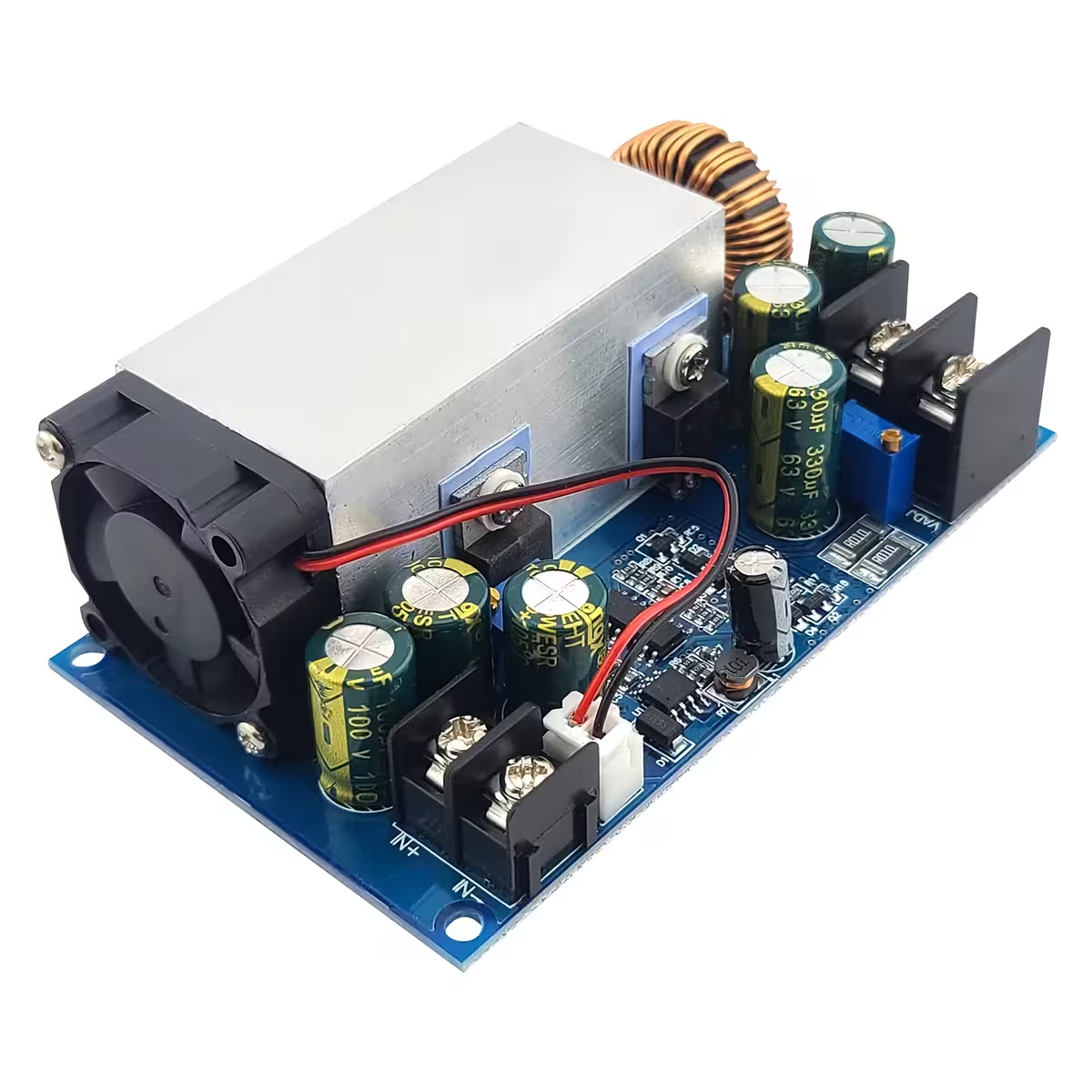
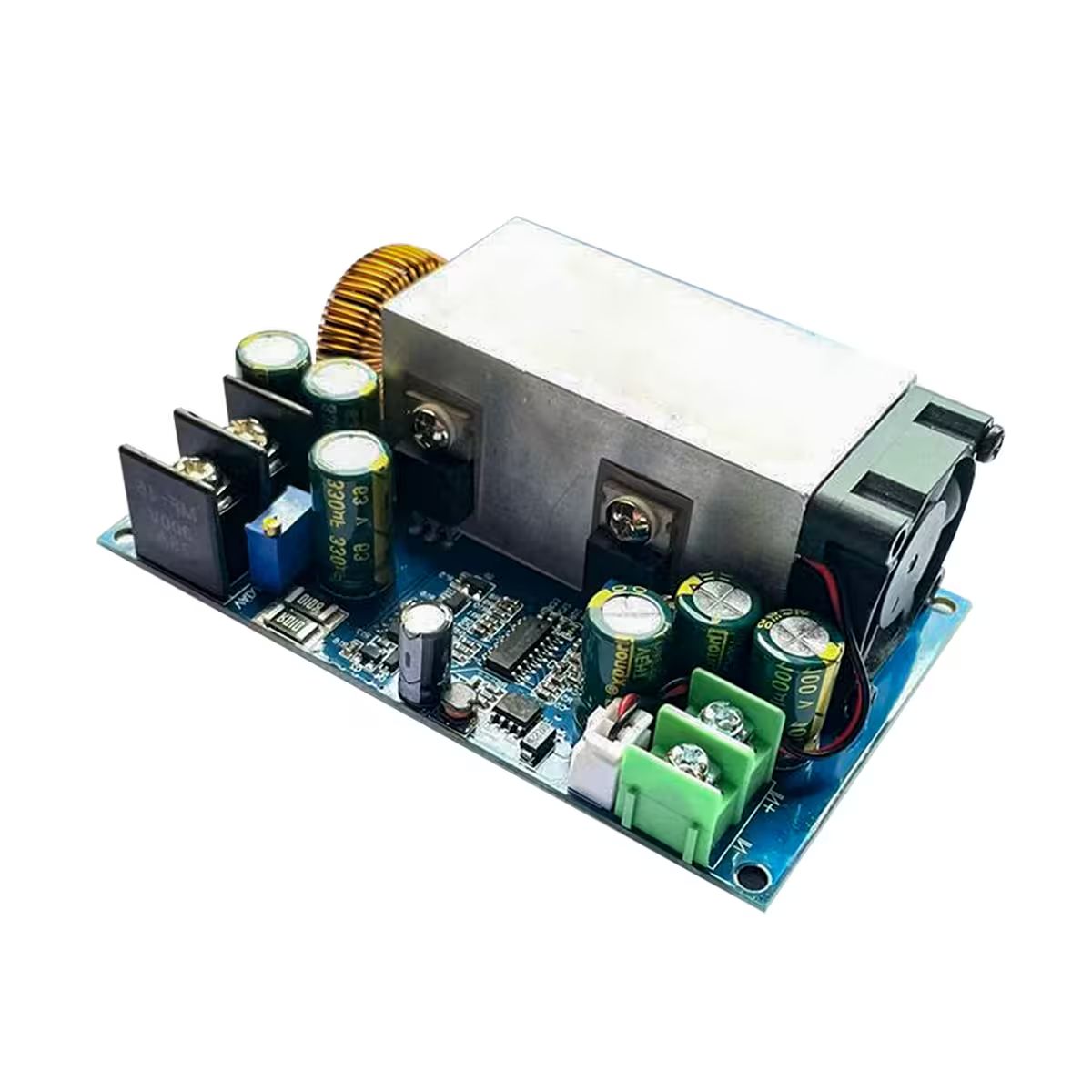
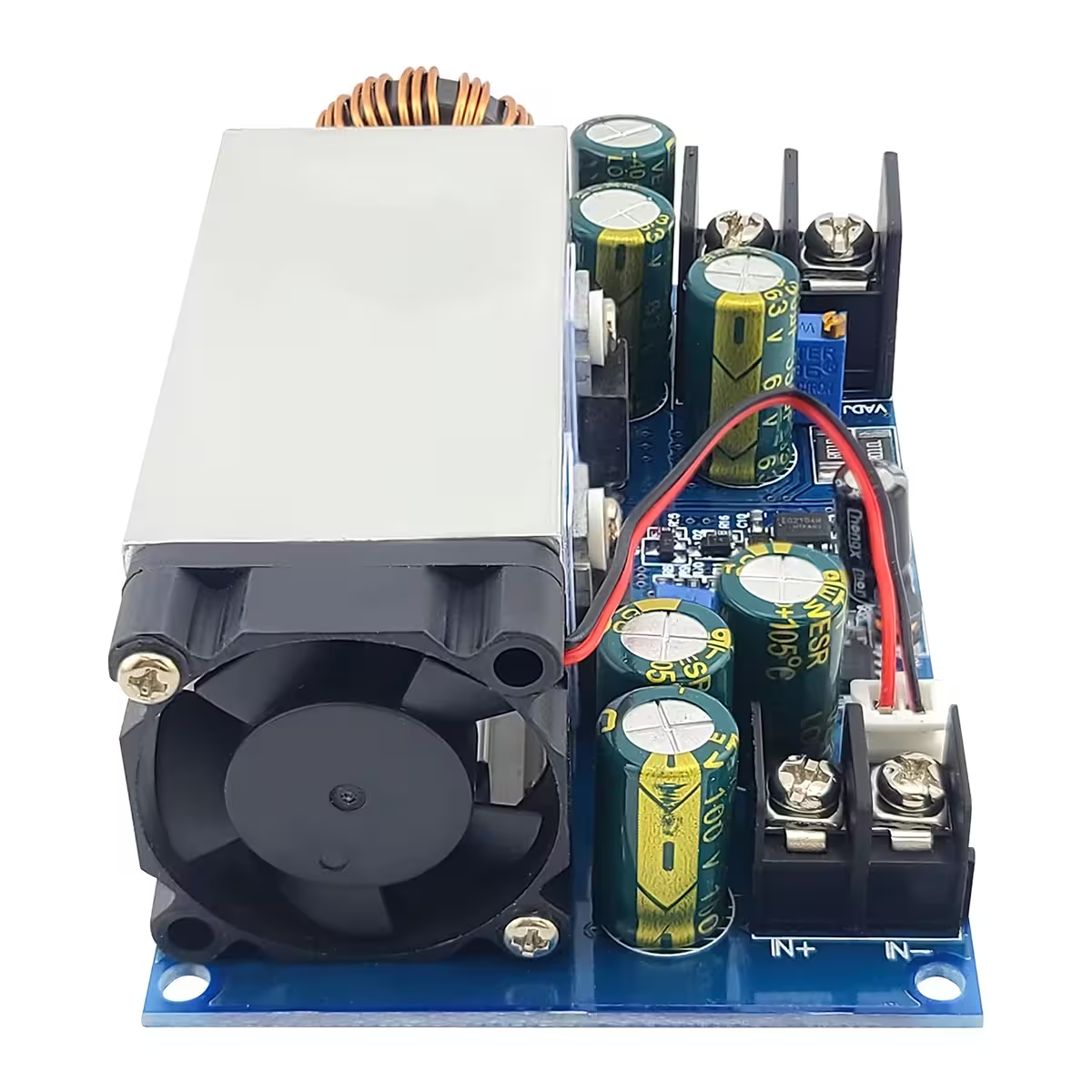
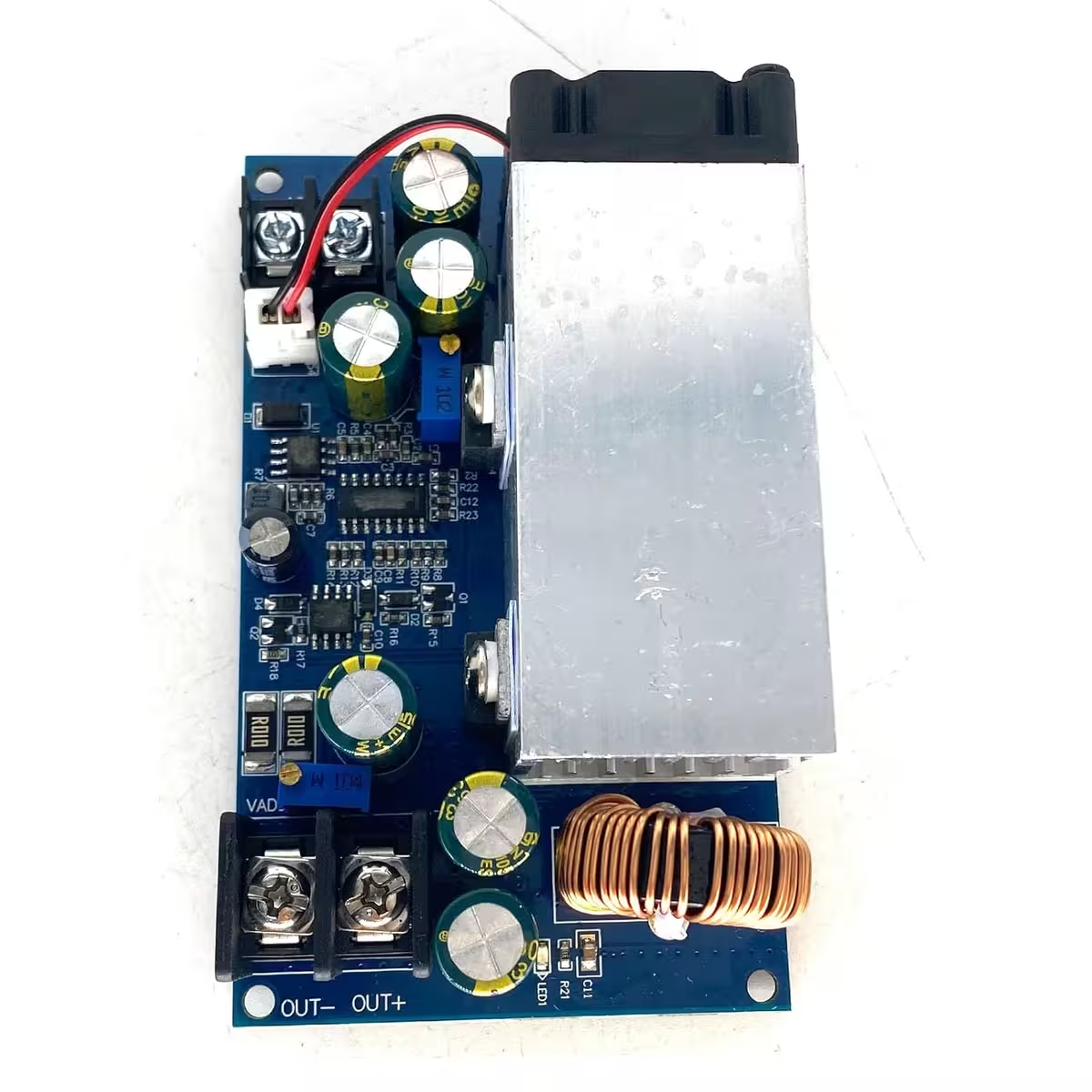
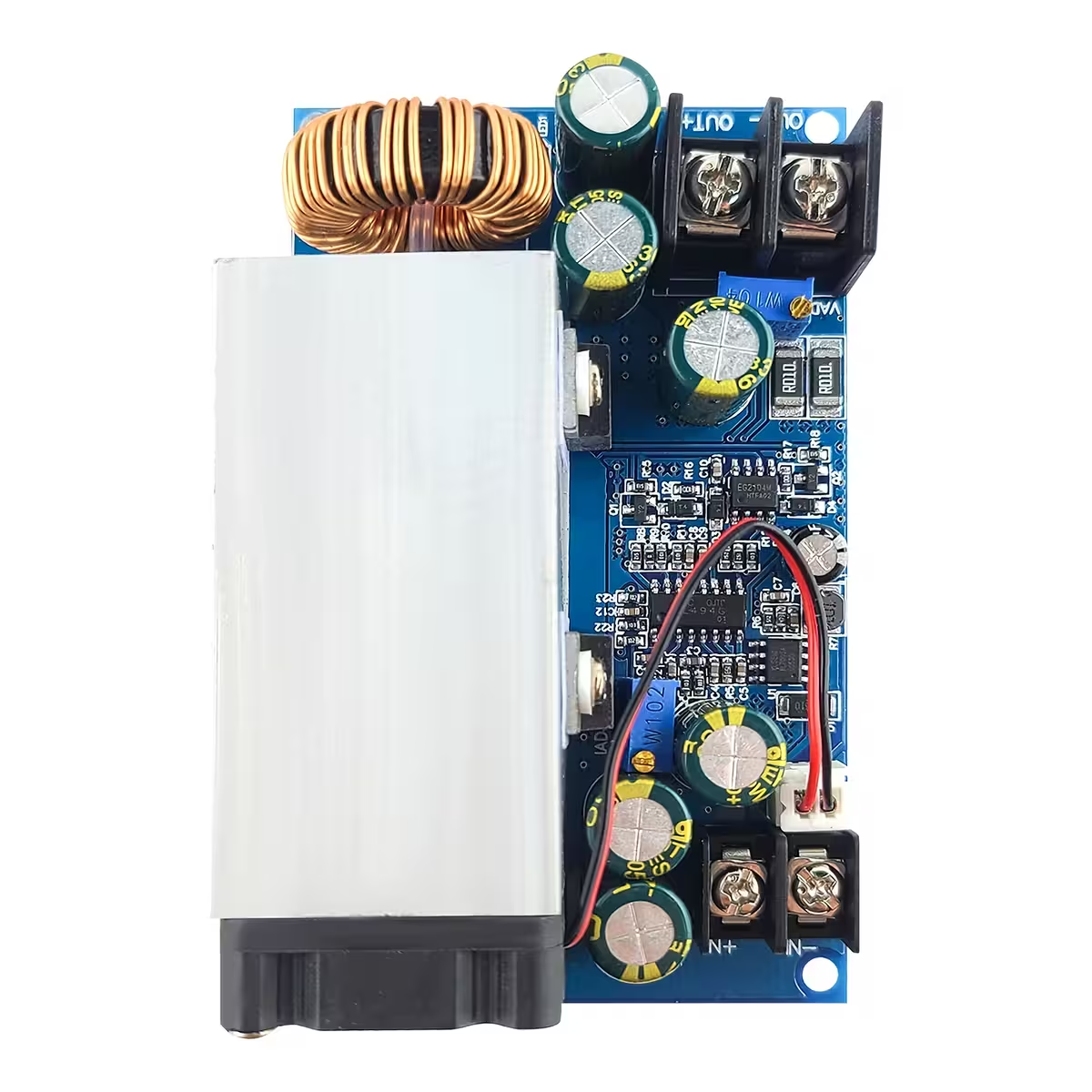
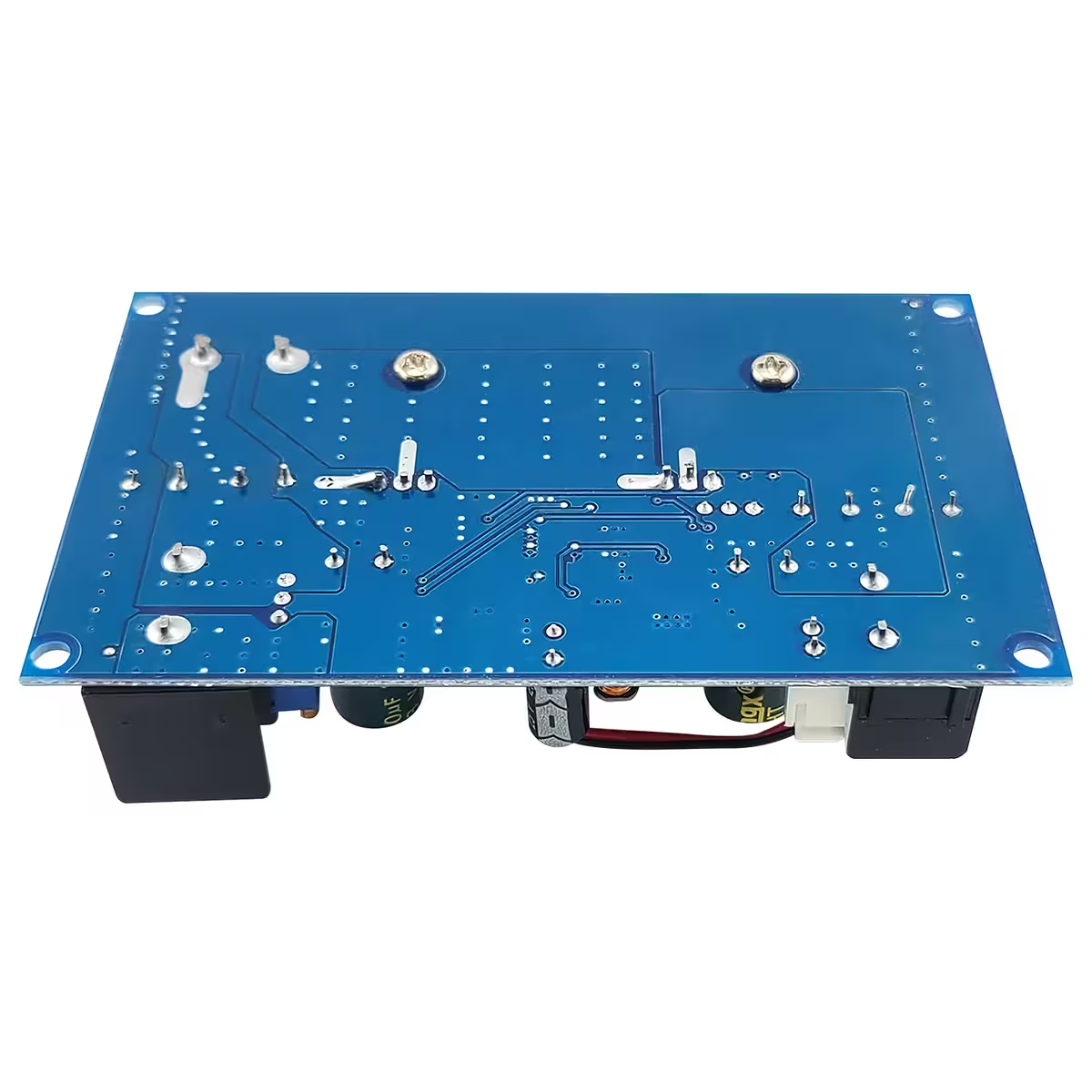
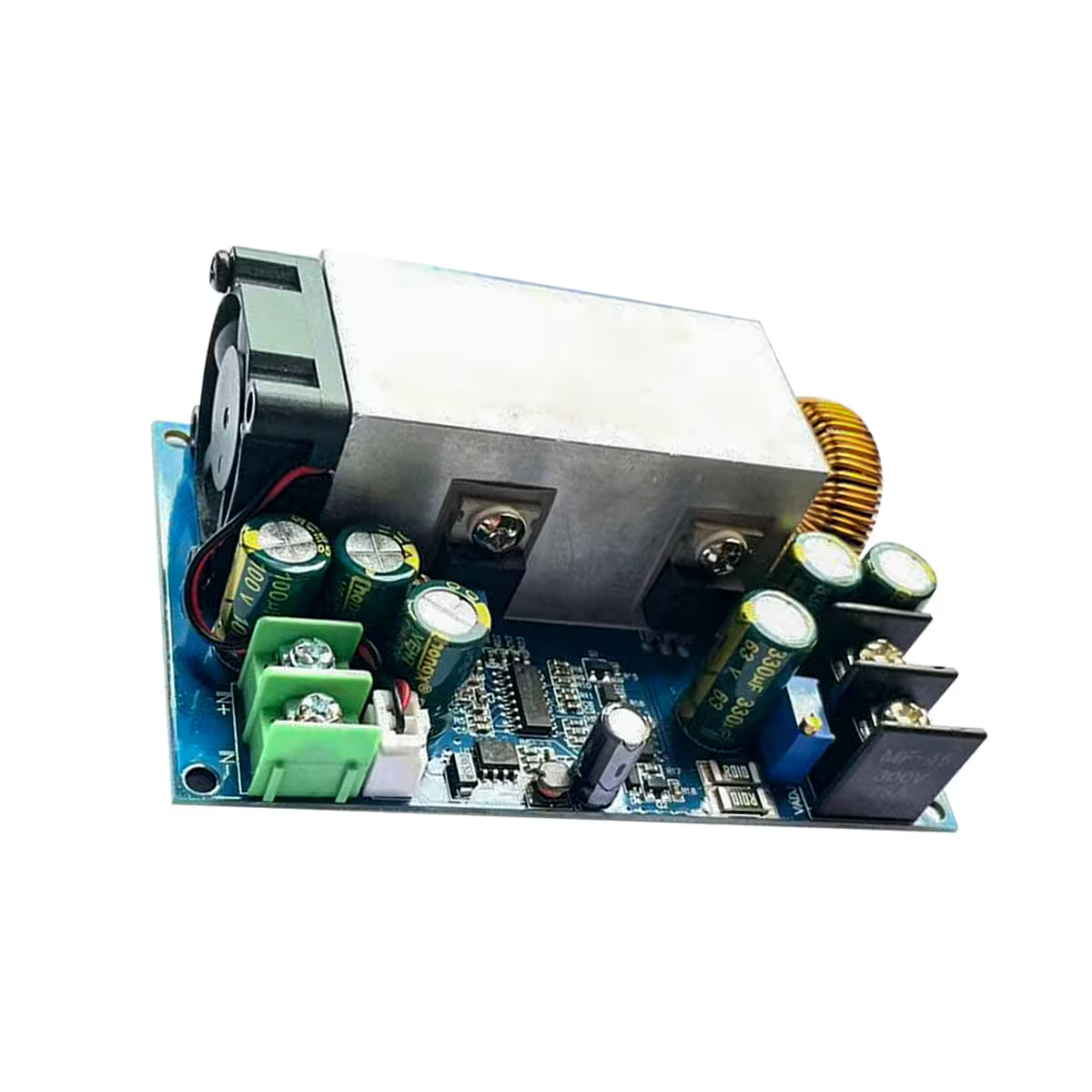
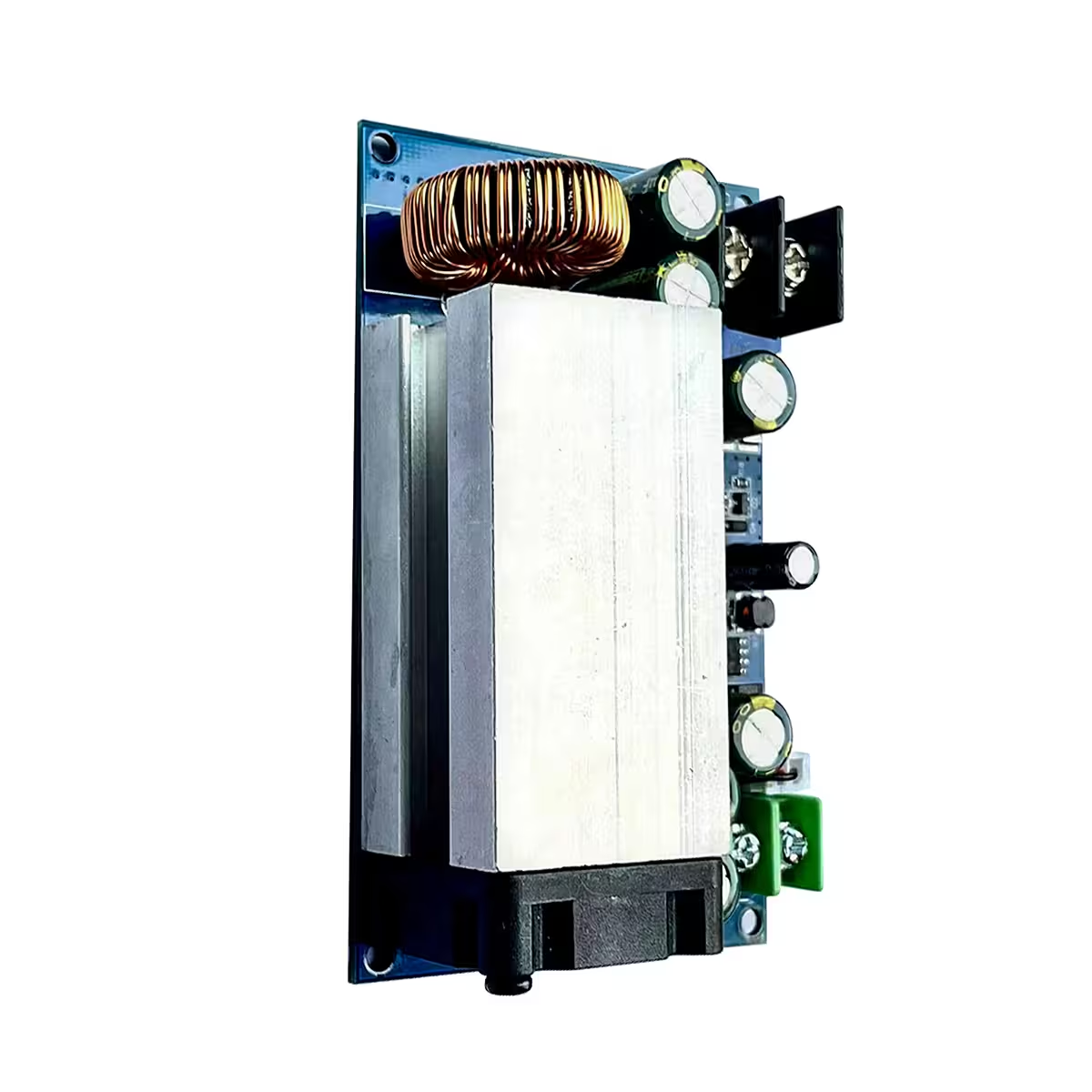
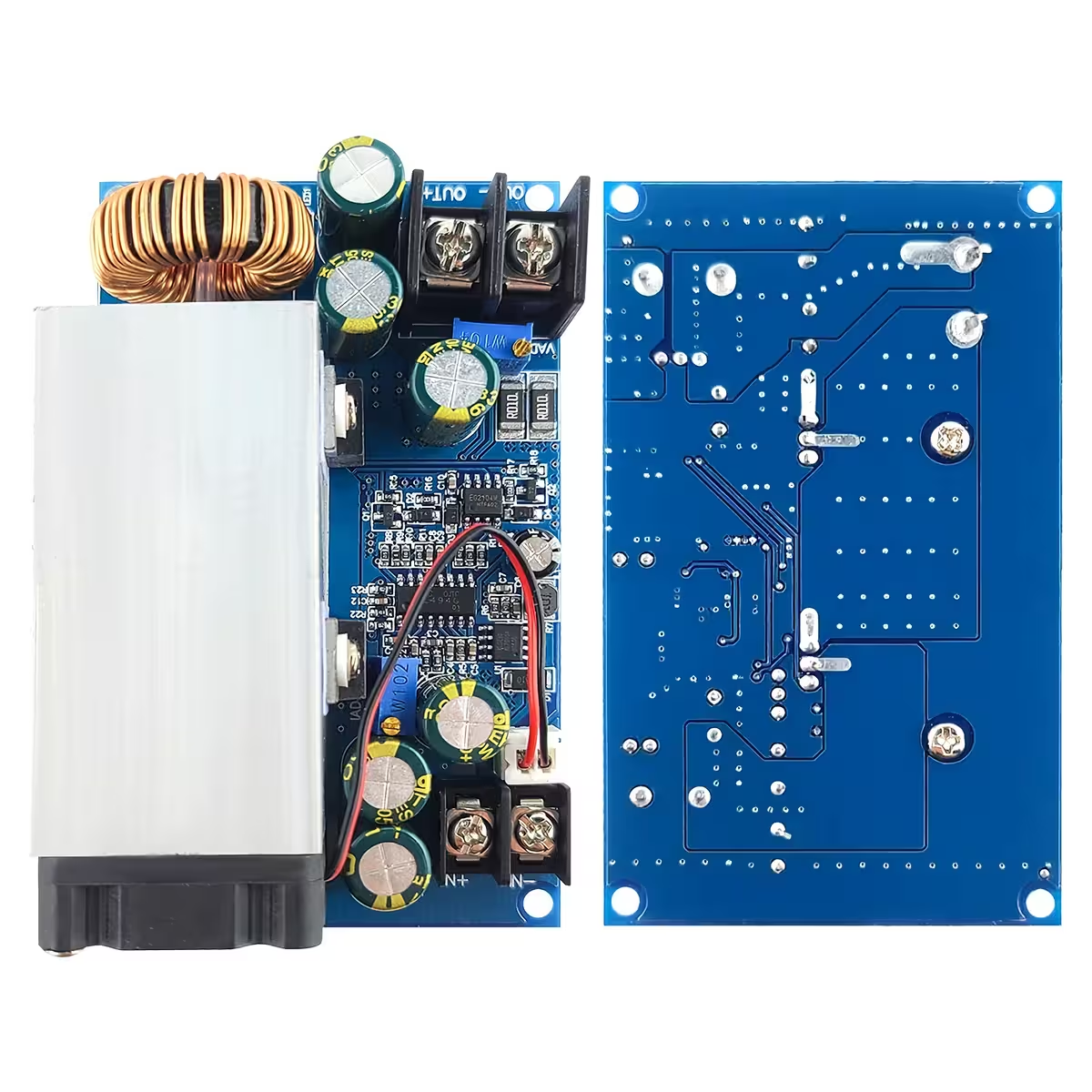
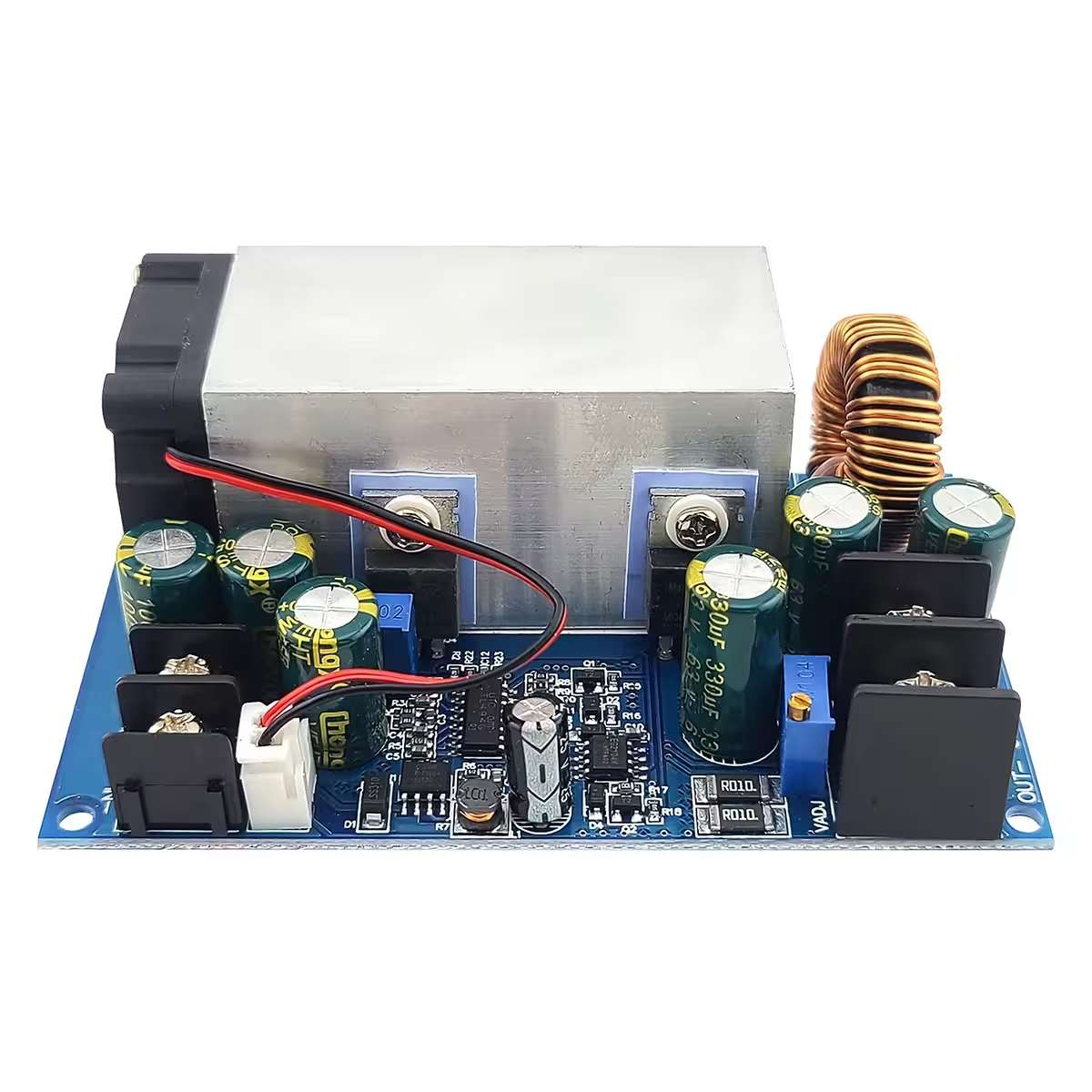
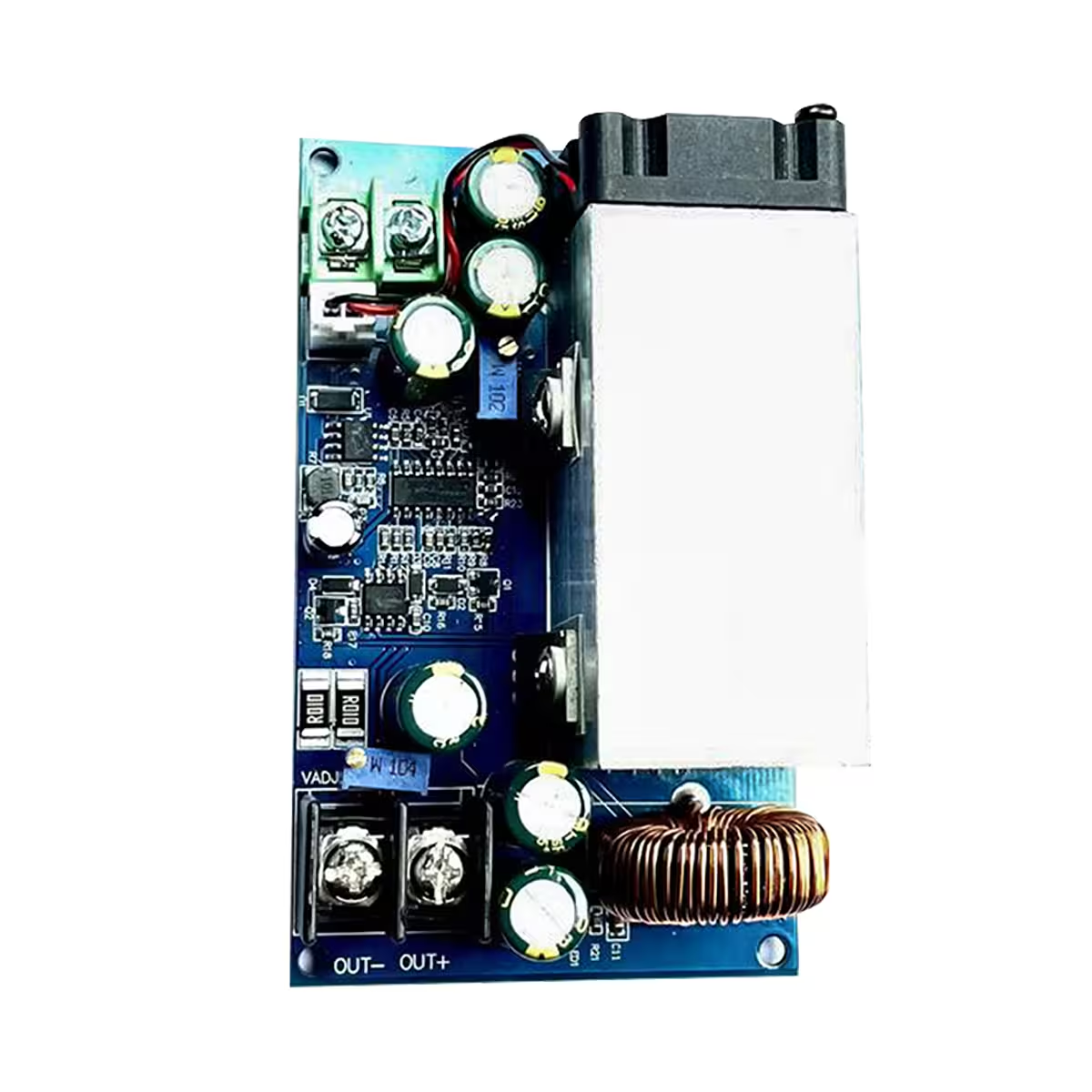
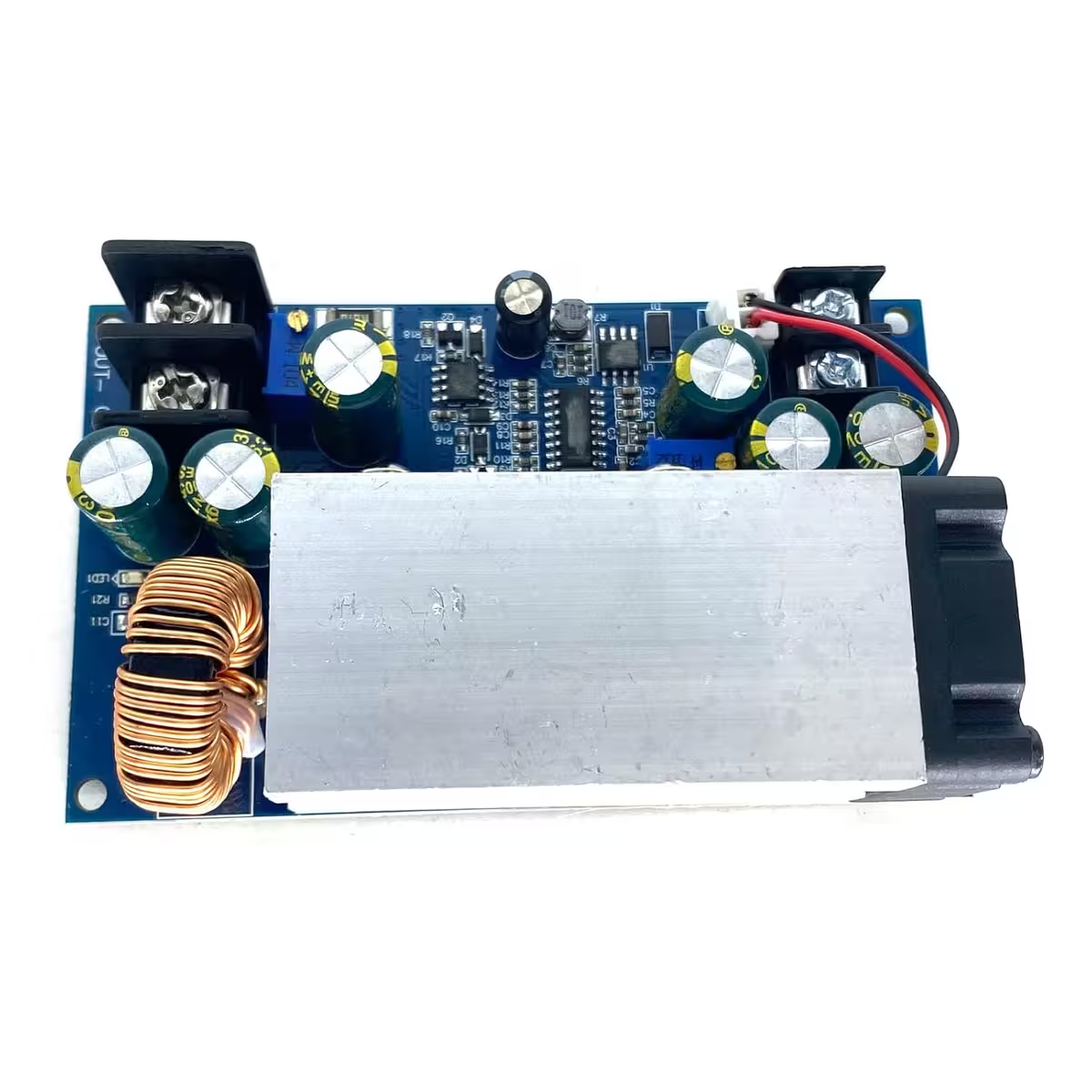
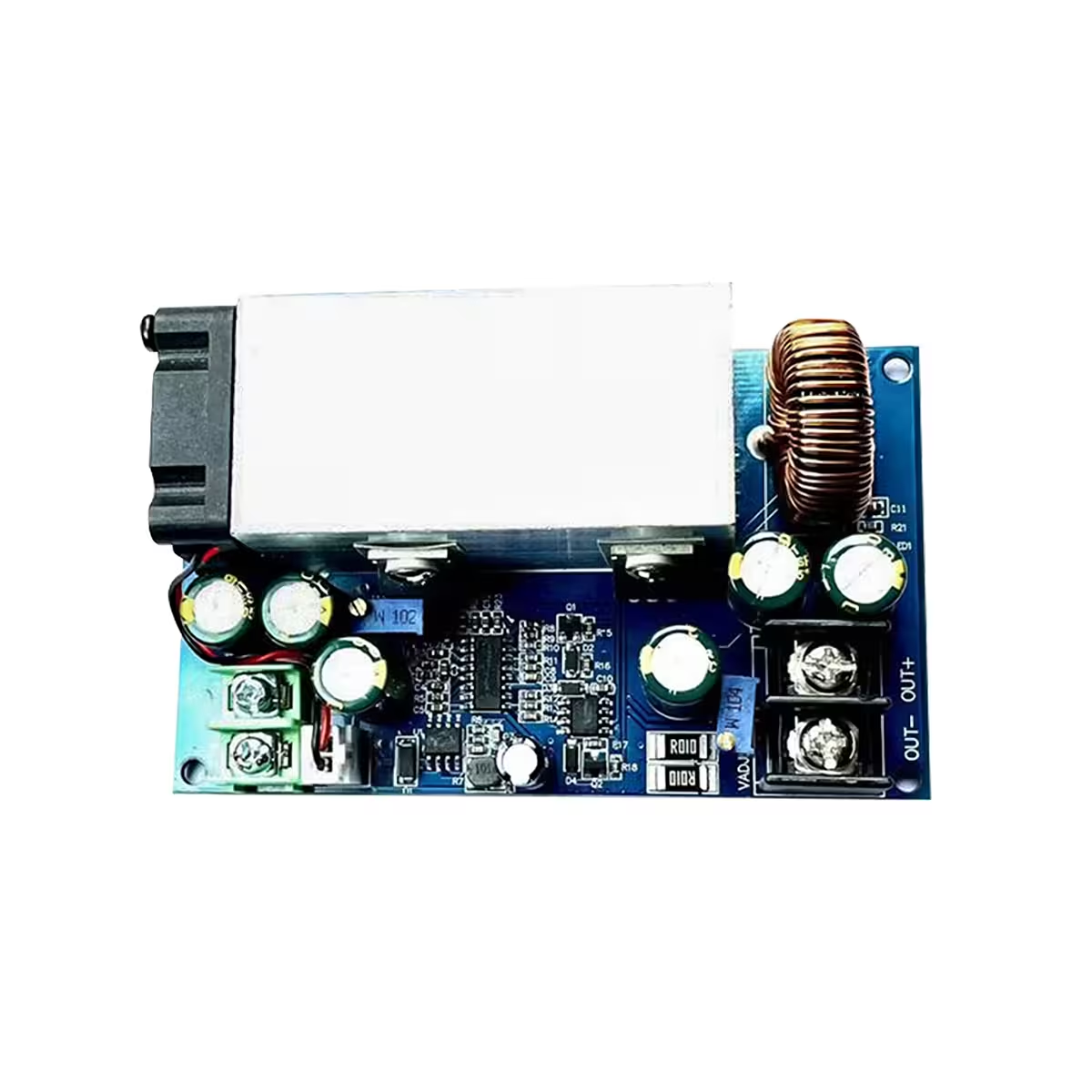
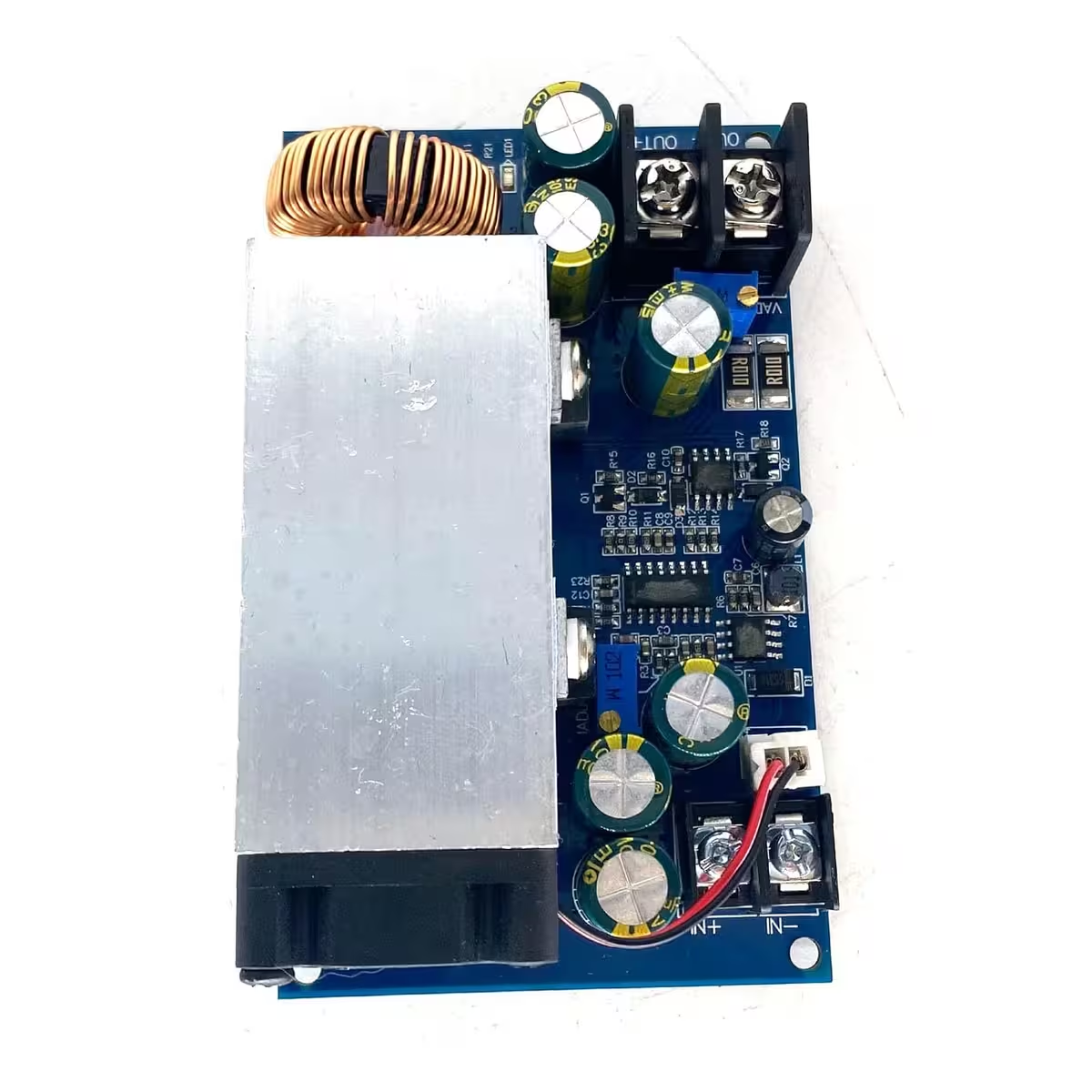
600W 25A DC-DC Step-Down Converter – Precision CV/CC control for power supplies and battery charging
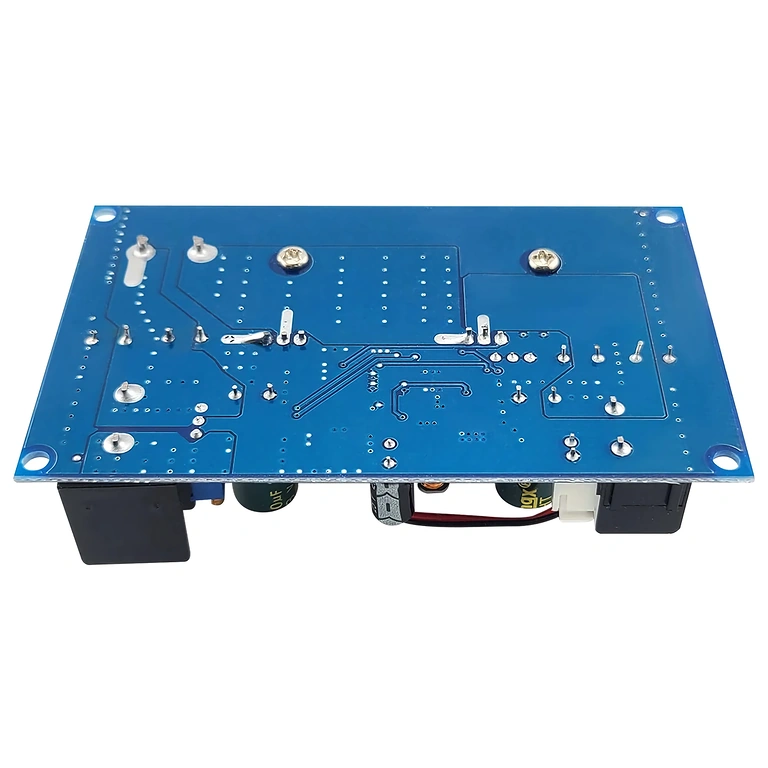
Need to step down DC voltage without losing power to heat or juggling multiple modules? This 600W 25A DC-DC step-down converter handles it all, providing independent voltage and current control in one compact device with up to 95% efficiency.
Note: This module operates exclusively as a step-down (buck) converter. The output voltage must always be lower than the input voltage. This unit does not include reverse polarity protection.
Why choose this model? (Key Advantages):
- Dual CV/CC Adjustment — Independently control voltage and current within a single module, eliminating the need for a separate current limiter.
- Up to 95% Efficiency — Minimal power loss as heat allows for extended operation under moderate loads without overheating.
- Wide 12–75V Input — Compatible with solar panels, rectifiers, car batteries, or laboratory power supplies without extra adapters.
- Adjustable 2.5–60V / 1–25A Output — Versatile enough for everything from powering Arduino modules to charging 48V battery packs or controlling small motors.
- Multi-turn Potentiometers — Offers superior precision compared to single-turn models, allowing for fine-tuned adjustments.
- Blue LED Indicator — Provides instant visual confirmation that the output is active without needing a multimeter.
- 80 kHz Switching Frequency — Reduces output ripple and allows for smaller filtering components, ensuring a cleaner signal for sensitive loads.
Performance and Technical Details
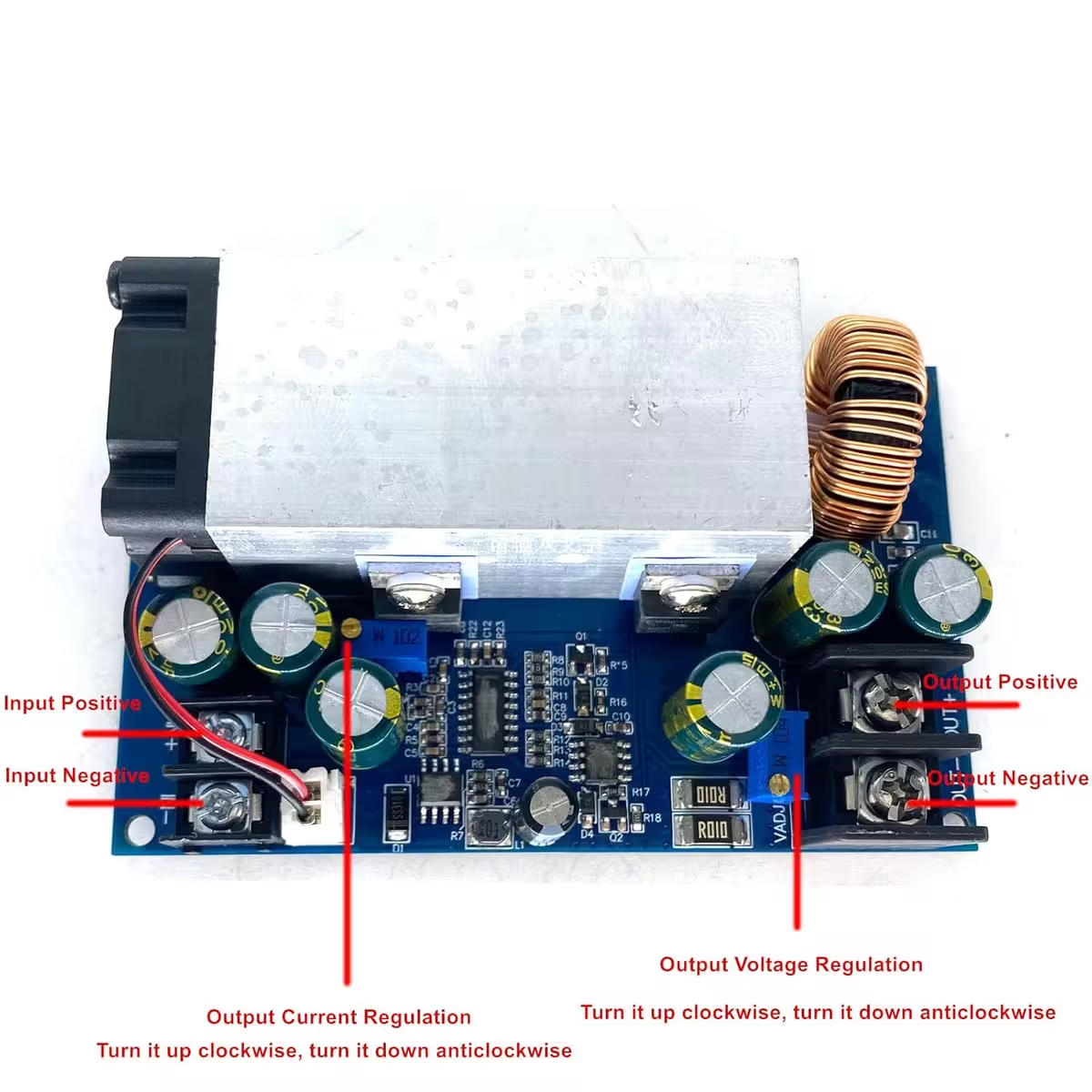
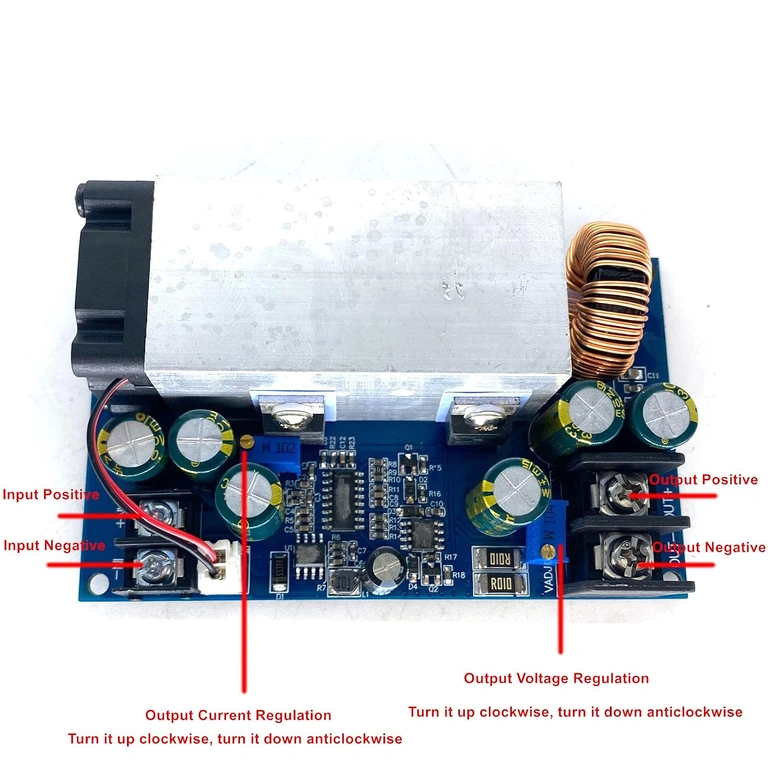
The 80 kHz buck (step-down) topology ensures an excellent balance between efficiency and output voltage quality, keeping ripple low even at high currents. While the peak power is 600W, we recommend a continuous load of 500W, especially without active cooling. Adjustments are made via two multi-turn potentiometers—VIADJ for voltage and IADJ for current—allowing for smooth, precise control. Short-circuit protection is handled via automatic current limiting in CC mode, rather than a complete system shutdown. Please note: for inductive loads (motors, coils, relays), installing an anti-backflow Schottky diode on the output is mandatory.
| Parameter | Value / Detail |
|---|---|
| Maximum Power | 600W (500W recommended for continuous use) |
| Output Current | 1–25A adjustable |
| Input Voltage | 12–75V DC |
| Output Voltage | 2.5–60V DC (step-down only) |
| Operating Modes | CV (Constant Voltage) / CC (Constant Current) |
| Efficiency | Up to 95% |
| Switching Frequency | 80 kHz |
| Status Indicator | Blue LED (output active) |
| Short-circuit Protection | Automatic current limiting (CC) |
| Reverse Polarity Protection | Not included |
| Compatible Applications | Batteries, small motors, electronic modules, adjustable power supplies |
Setup and Usage Instructions
- Connect your power source to the input, ensuring correct polarity (+ and −); verify with a multimeter before powering on.
- Set IADJ to minimum: turn fully anti-clockwise (approx. 10 turns) before connecting your load.
- Adjust VIADJ: turn clockwise to increase output voltage, or anti-clockwise to decrease it. Confirm the value with your multimeter.
- Connect the load, then gradually increase IADJ to your desired current limit while monitoring with an ammeter.
- Do not connect the input ground directly to the output ground without verifying the circuit schematic.
- For inductive loads (motors, coils), install an anti-backflow Schottky diode in parallel with the load, with the cathode facing the positive terminal.
- For loads approaching 500W, ensure active cooling (a fan) is used to keep temperatures within safe limits.
Package Contents
- 1 × 600W 25A DC-DC Step-Down CV/CC Module
Frequently Asked Questions
Can I use this converter to step up the voltage?
No. This module functions exclusively as a step-down (buck) converter. The output voltage must always be lower than the input voltage. For step-up conversion, you require a boost converter.
What happens if I reverse the input polarity?
The module does not have reverse polarity protection. Incorrect connection can cause permanent damage to internal components. Always verify polarity with a multimeter before connecting power.
Is an anti-backflow diode mandatory for battery charging?
Yes. Without it, current can flow backward through the module when the power source is disconnected, which will damage the internal transistors. Use a Schottky diode rated for your operating current.
Can I power DC motors directly from this module?
Yes, provided an anti-backflow Schottky diode is installed in parallel with the motor. Ensure the startup current does not exceed 25A and the continuous power remains below 500W.
When do I need additional cooling?
For loads exceeding 300W or in high-temperature environments, mount a cooling fan above the module. Without forced cooling, component temperatures will rise rapidly, significantly reducing the unit’s lifespan.
Photo Gallery
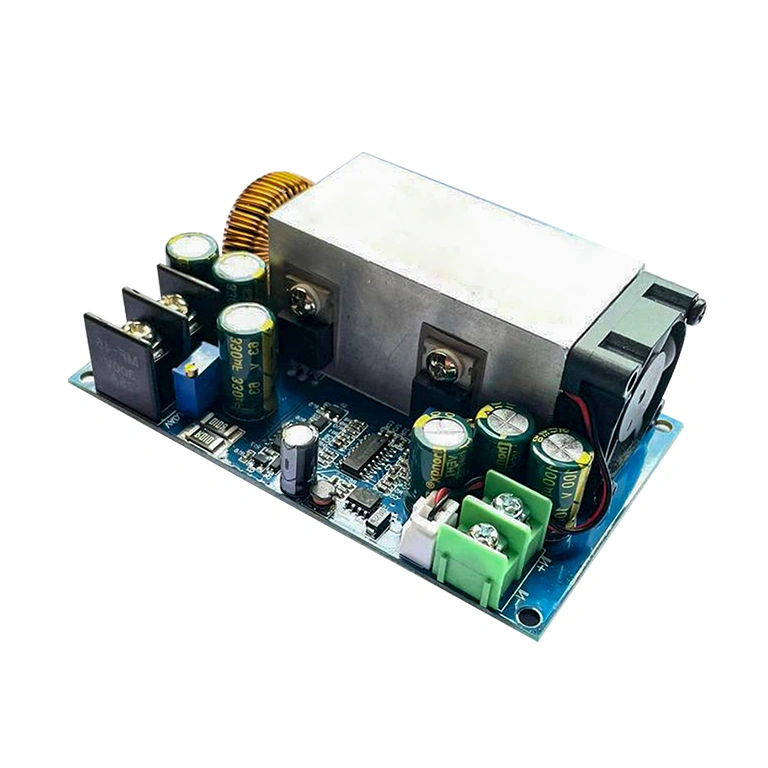
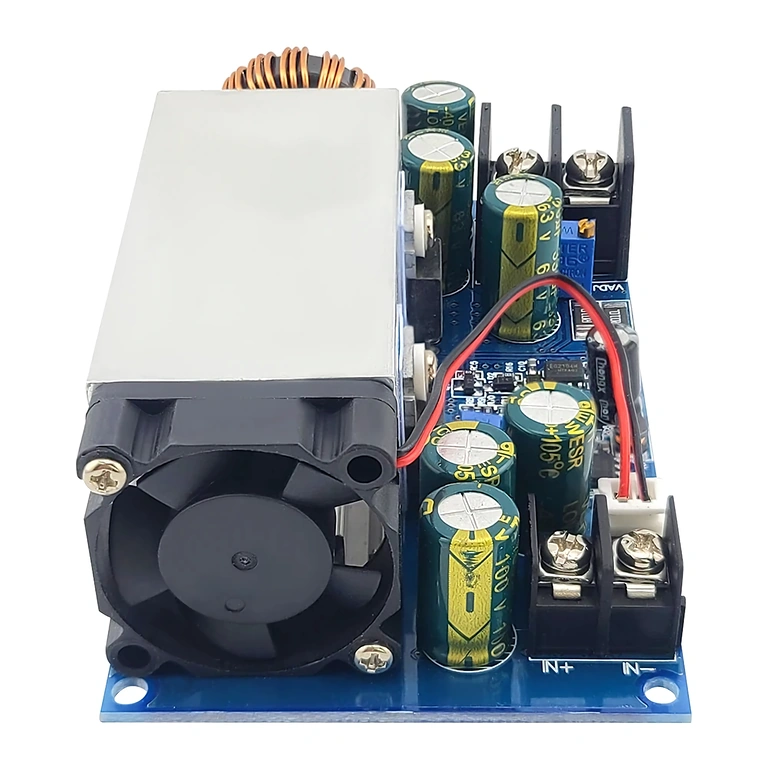
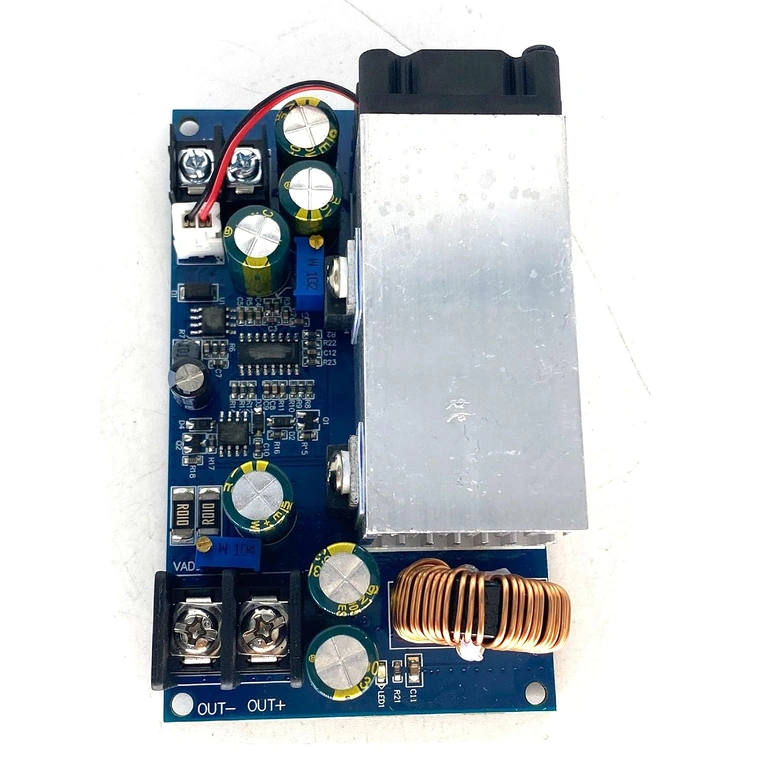
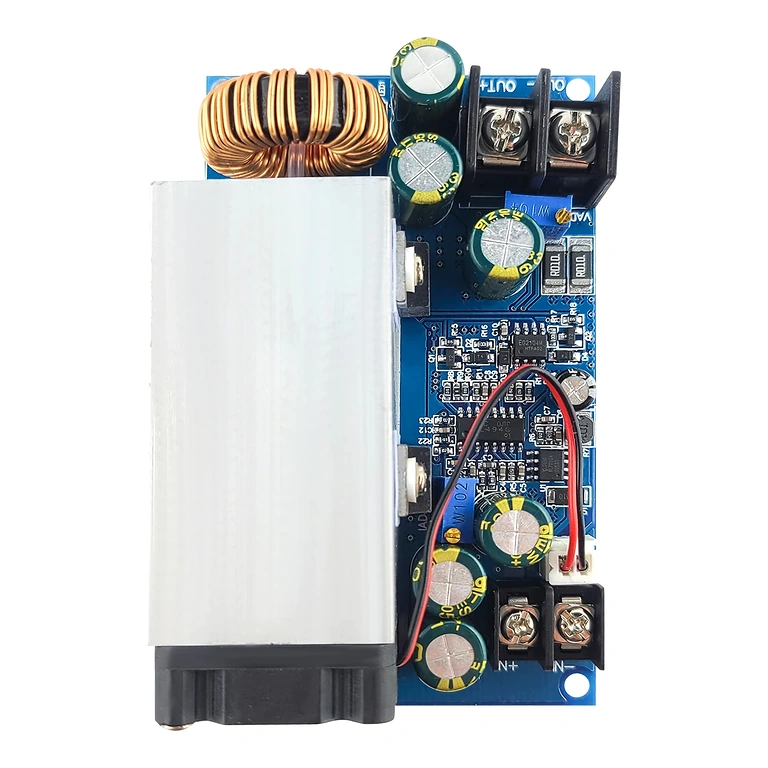
Reviews
There are no reviews yet.