


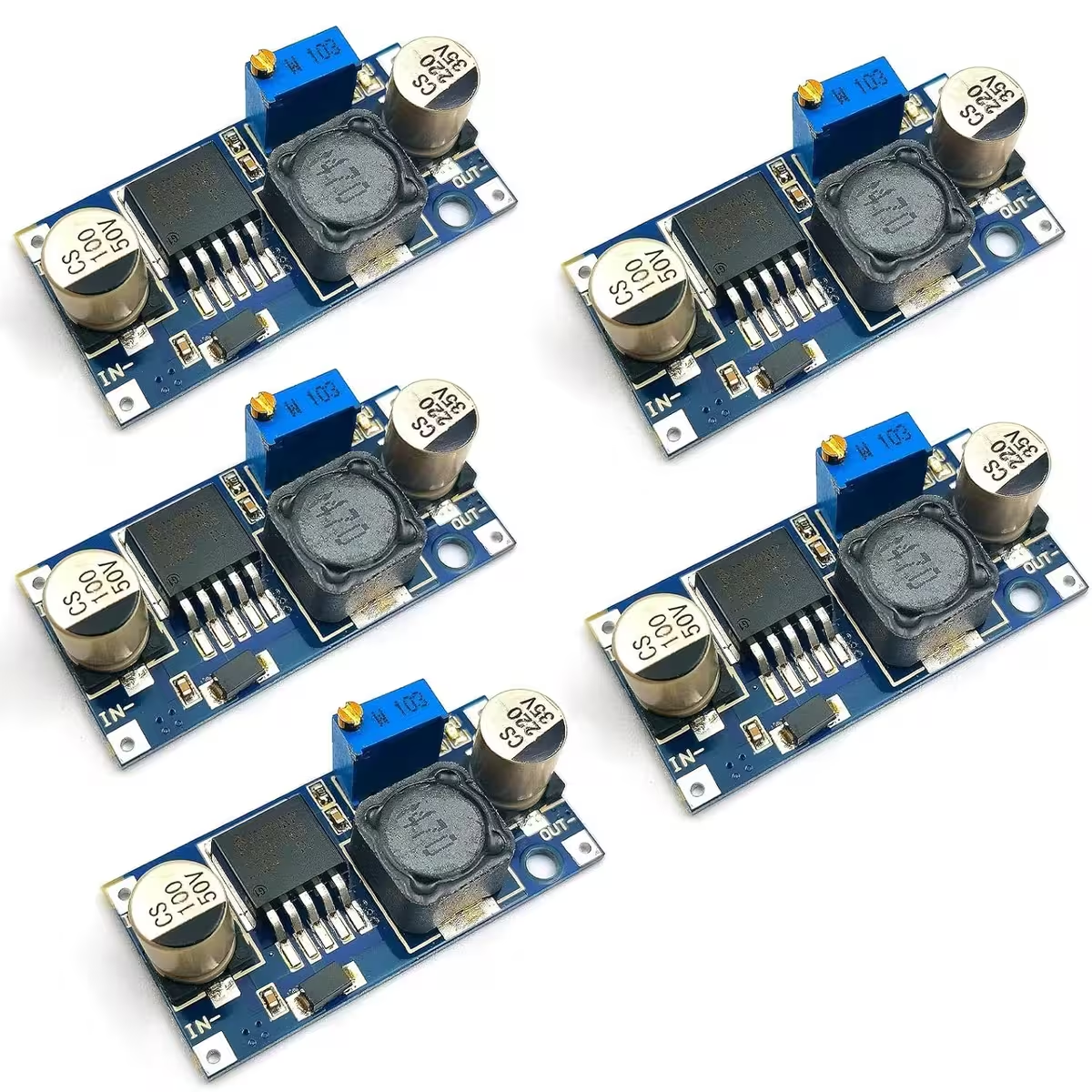
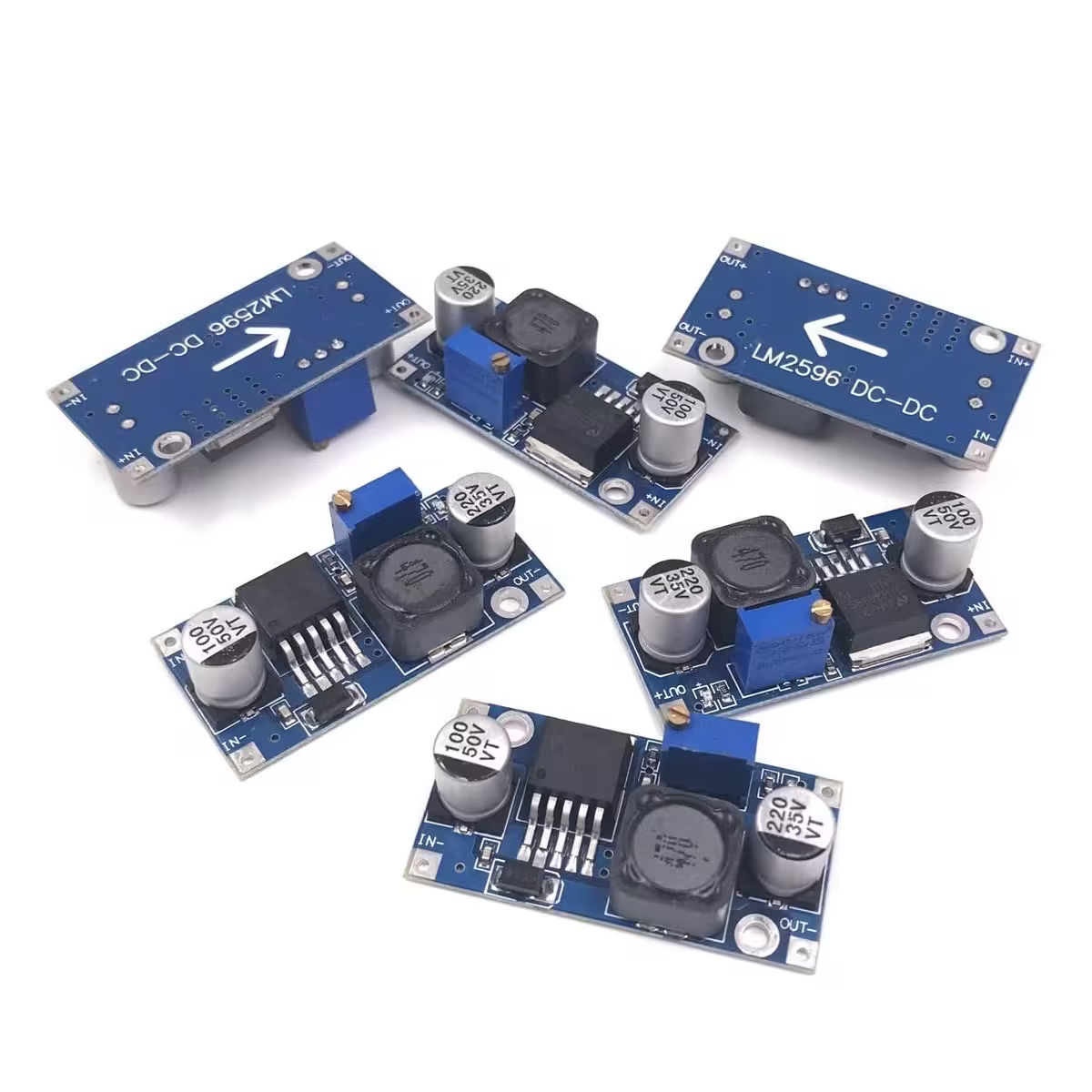
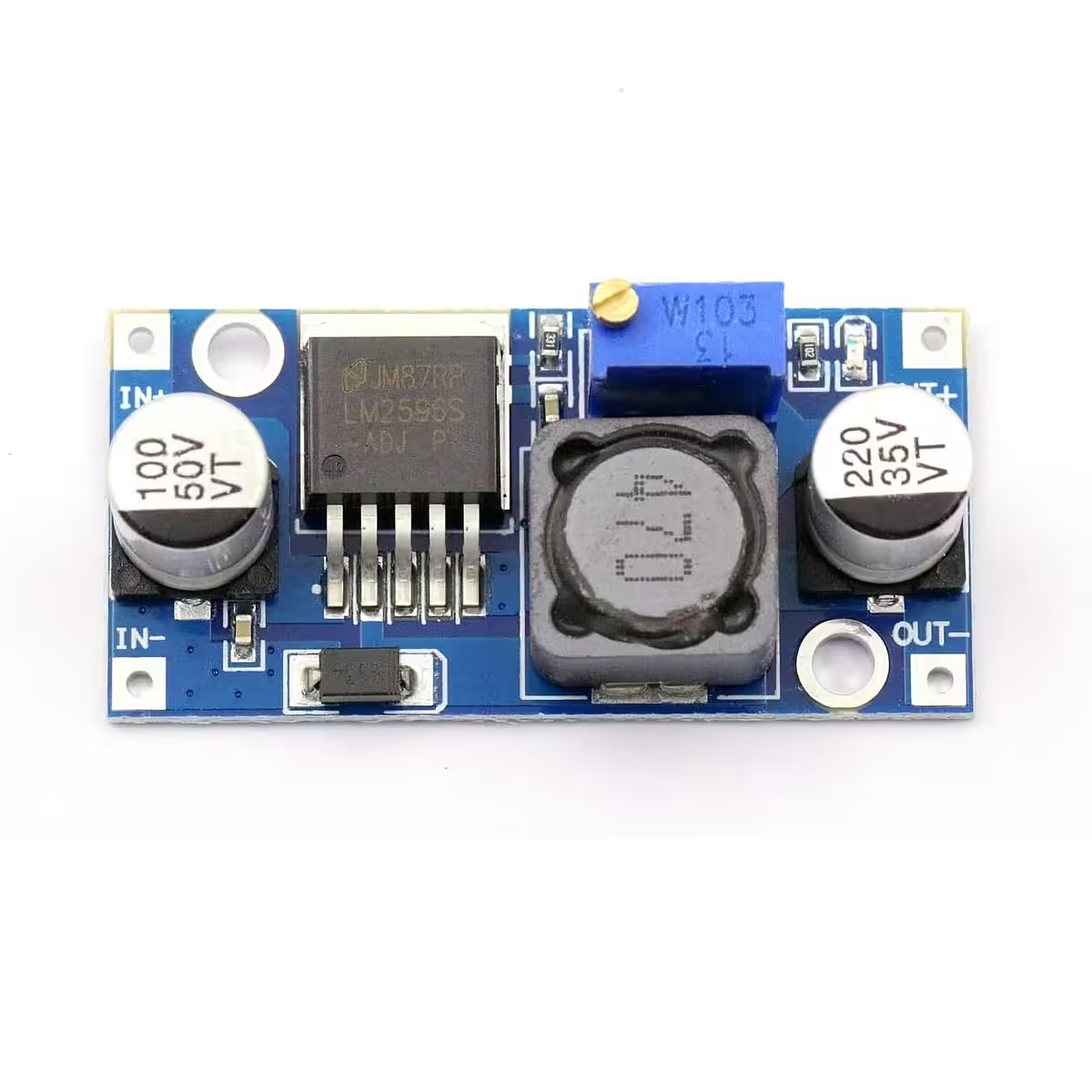
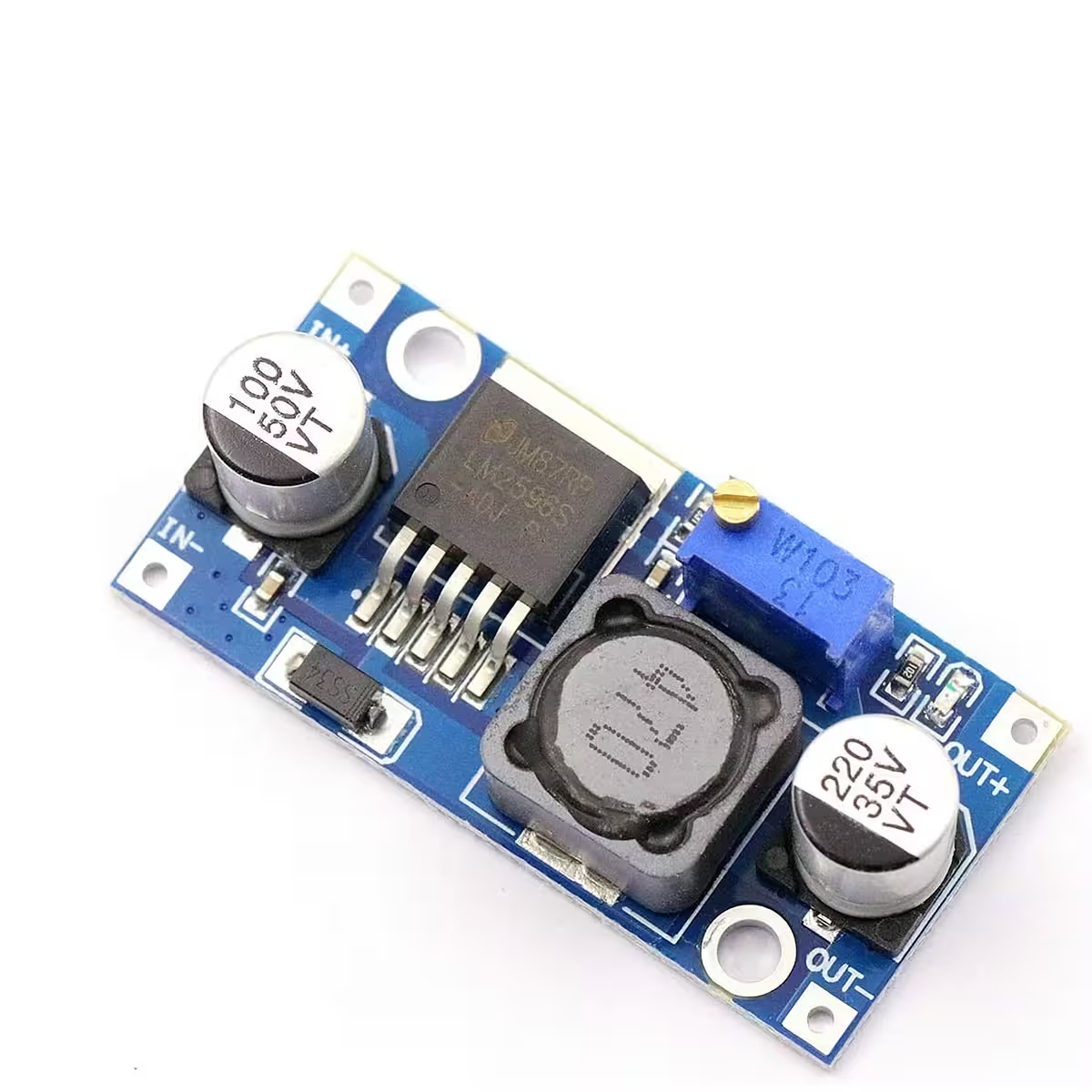
LM2596S Buck Converter – 5-Pack of adjustable step-down modules for any project
Do you have a 12V power supply but need a stable 5V for your Arduino? Or perhaps you’re working on multiple prototypes and need reliable power regulation on the fly? This 5-pack of LM2596S modules is the perfect solution, offering adjustable voltage, minimal power loss, and a compact footprint that fits anywhere.
Note: These modules function EXCLUSIVELY as step-down (buck) converters. The input voltage must be at least 1.5V higher than your desired output voltage. For loads exceeding 10W, we recommend attaching a heatsink to the integrated circuit.
Why choose this set? (Key advantages):
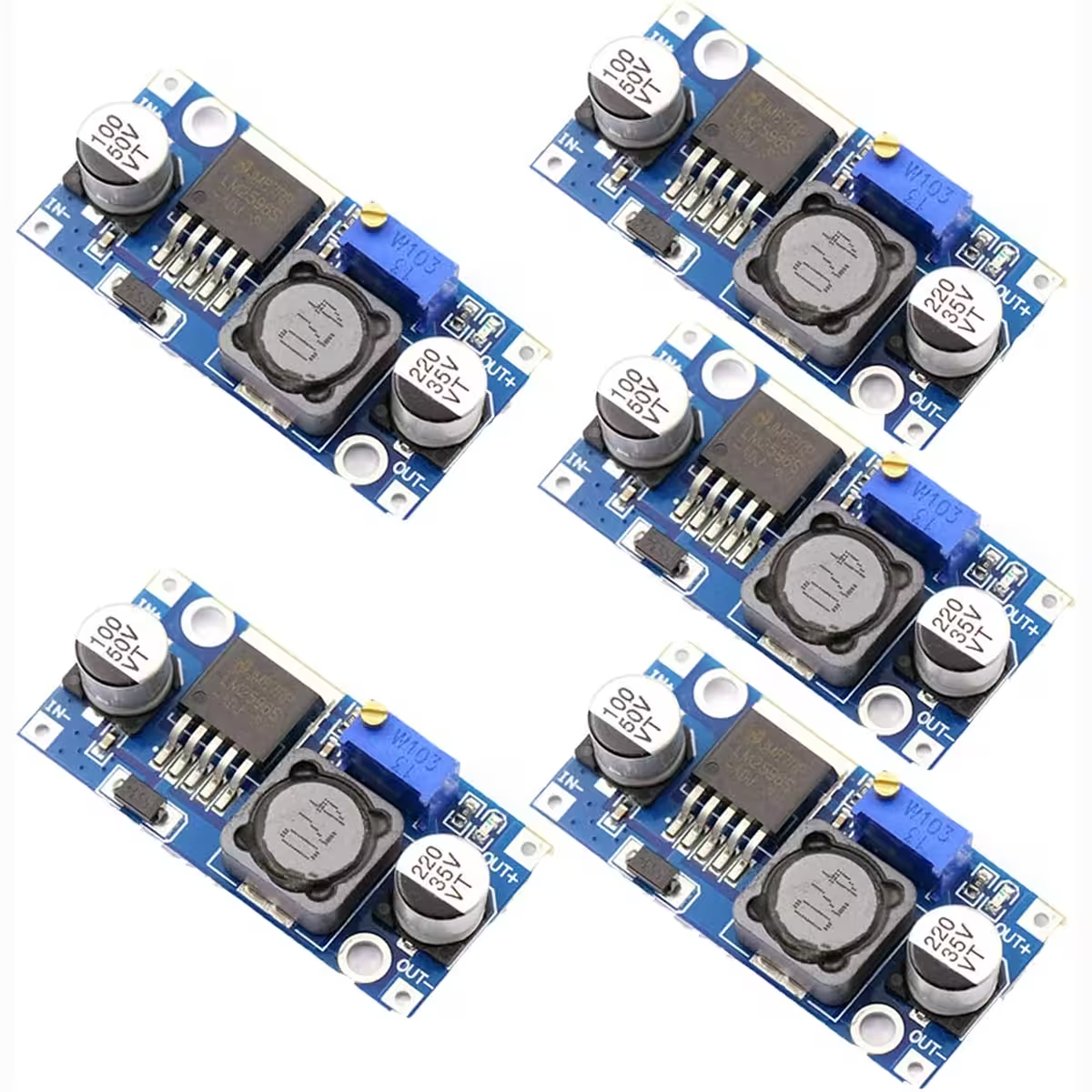
- 5 modules in one pack — Perfect for running multiple projects in parallel or keeping spares on hand for future builds.
- Up to 92% efficiency — Unlike traditional linear regulators (like the LM7805) that waste energy as heat, these modules ensure most of your power reaches the load.
- Easy potentiometer adjustment — Set your output voltage between 1.23V and 30V using a simple screwdriver; no external components required.
- Low ripple (under 30mV) — Provides clean power for RF modules, sensors, and microcontrollers sensitive to line noise.
- Integrated LED indicator — Instantly verify that your module is powered correctly without needing a multimeter.
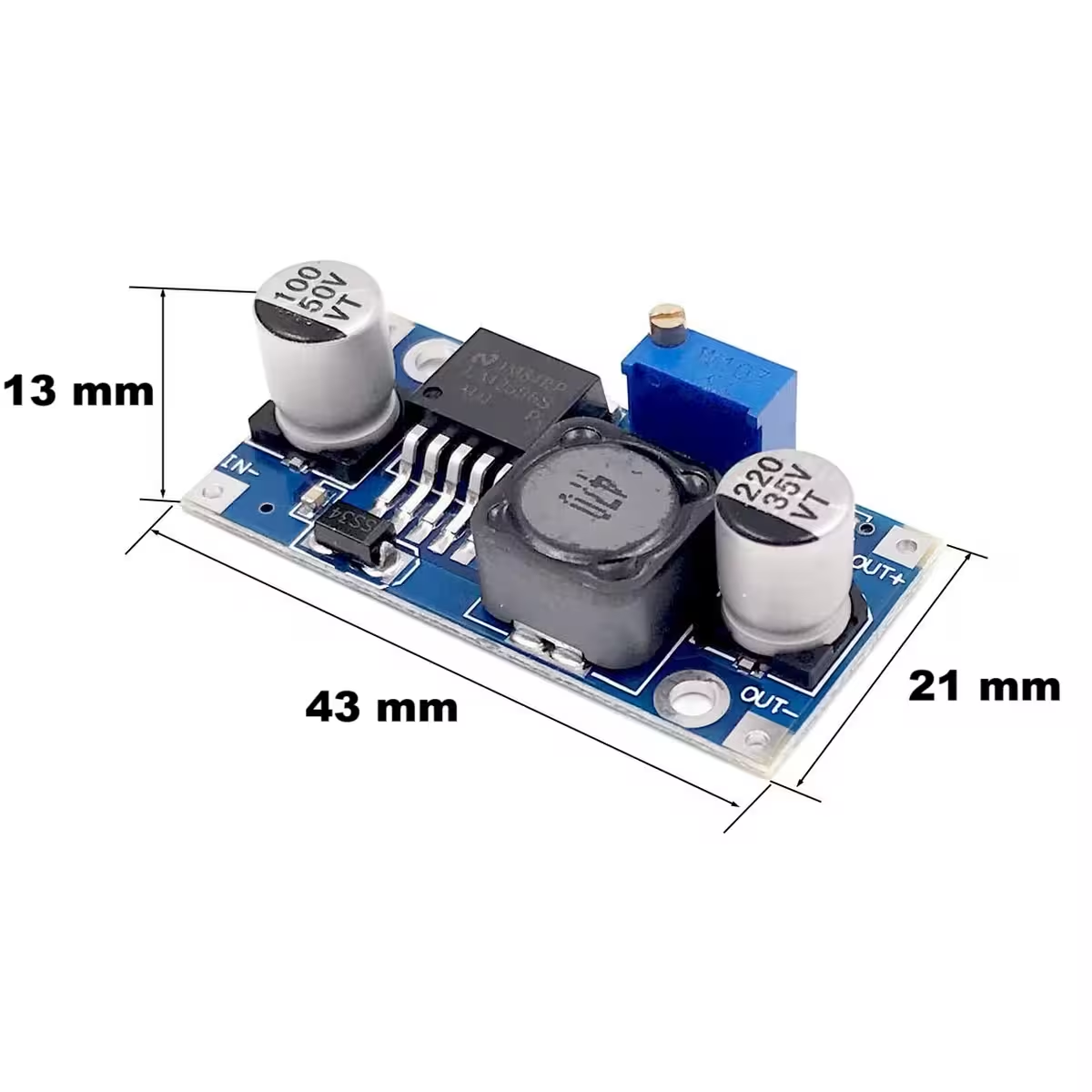
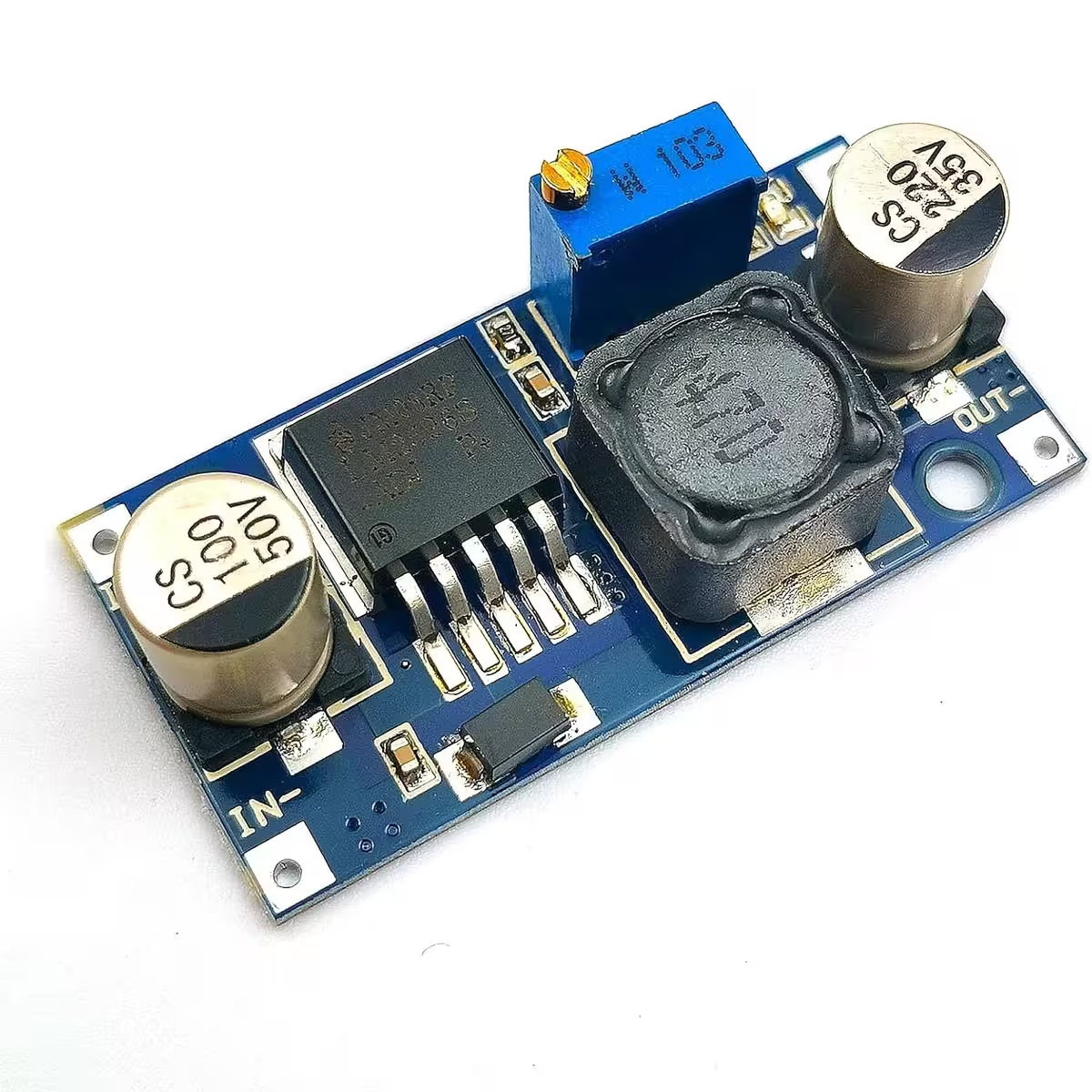
- Compact 43×21×14 mm design — Easily fits into custom DIY enclosures or mounts directly onto your PCB.
- Wide temperature range -45°C to +85°C — Stable performance in industrial environments or outdoor applications.
Performance and Specifications
At the heart of the module is the LM2596S integrated circuit, which switches at 150KHz. This high frequency allows for smaller capacitors and inductors without compromising stability. The output ripple remains below 30mV, making it suitable for RF/wireless modules or sensitive analog sensors. For continuous currents above 2.5A, we recommend adding a heatsink; while the chip includes built-in overcurrent and thermal protection, proper cooling ensures longevity.
| Parameter | Value / Detail |
|---|---|
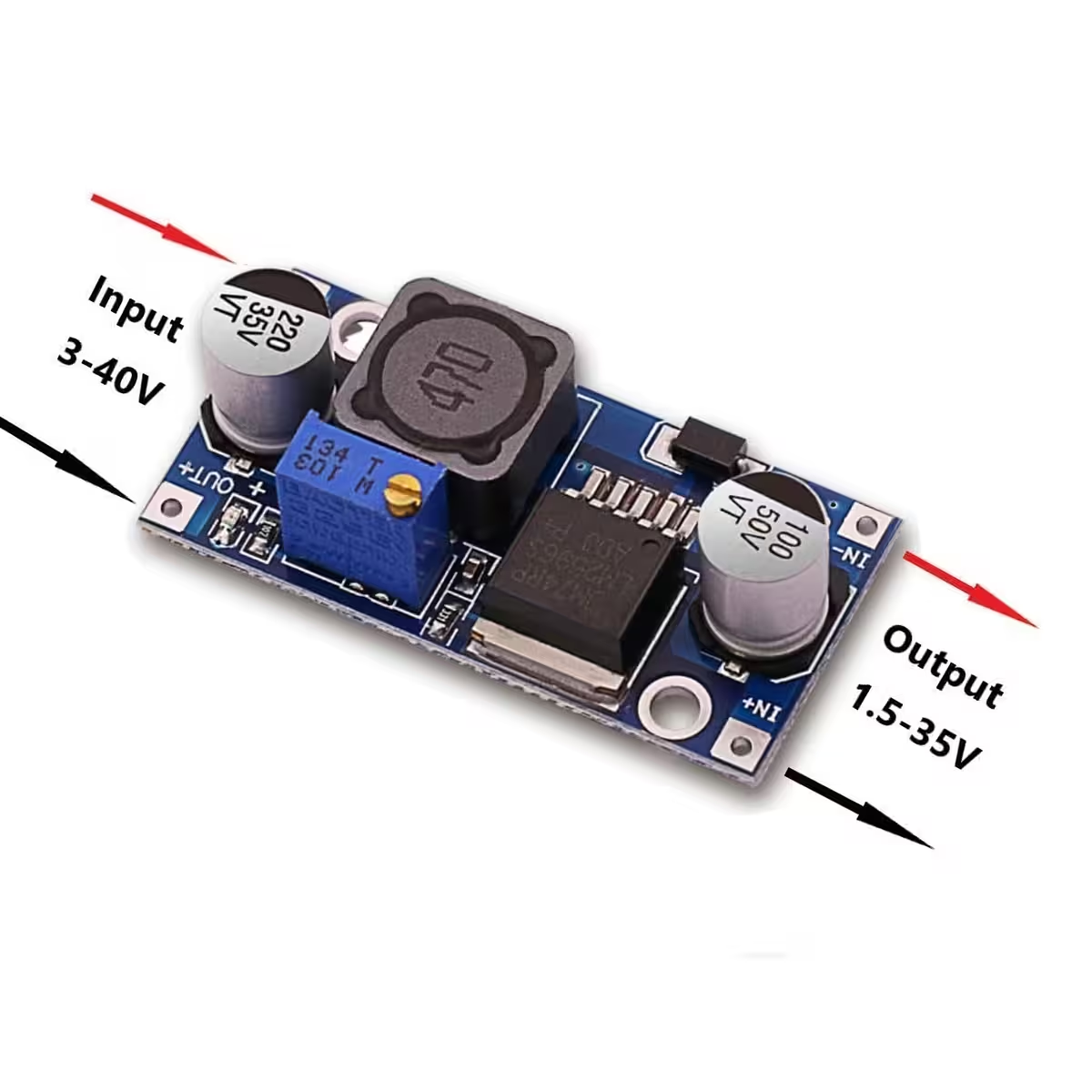
| Input Voltage | 4V – 35V DC |
| Output Voltage (Adjustable) | 1.23V – 30V DC |
| Max Output Current | 3A (continuous recommended <2.5A) |
| Conversion Efficiency | Up to 92% |
| Output Ripple | <30mV |
| Switching Frequency | 150KHz |
| Operating Temperature | -45°C ~ +85°C |
| Module Dimensions | 43 × 21 × 14 mm |
| Power Indicator | Integrated LED |
| Quantity in Pack | 5 modules |
Usage Instructions
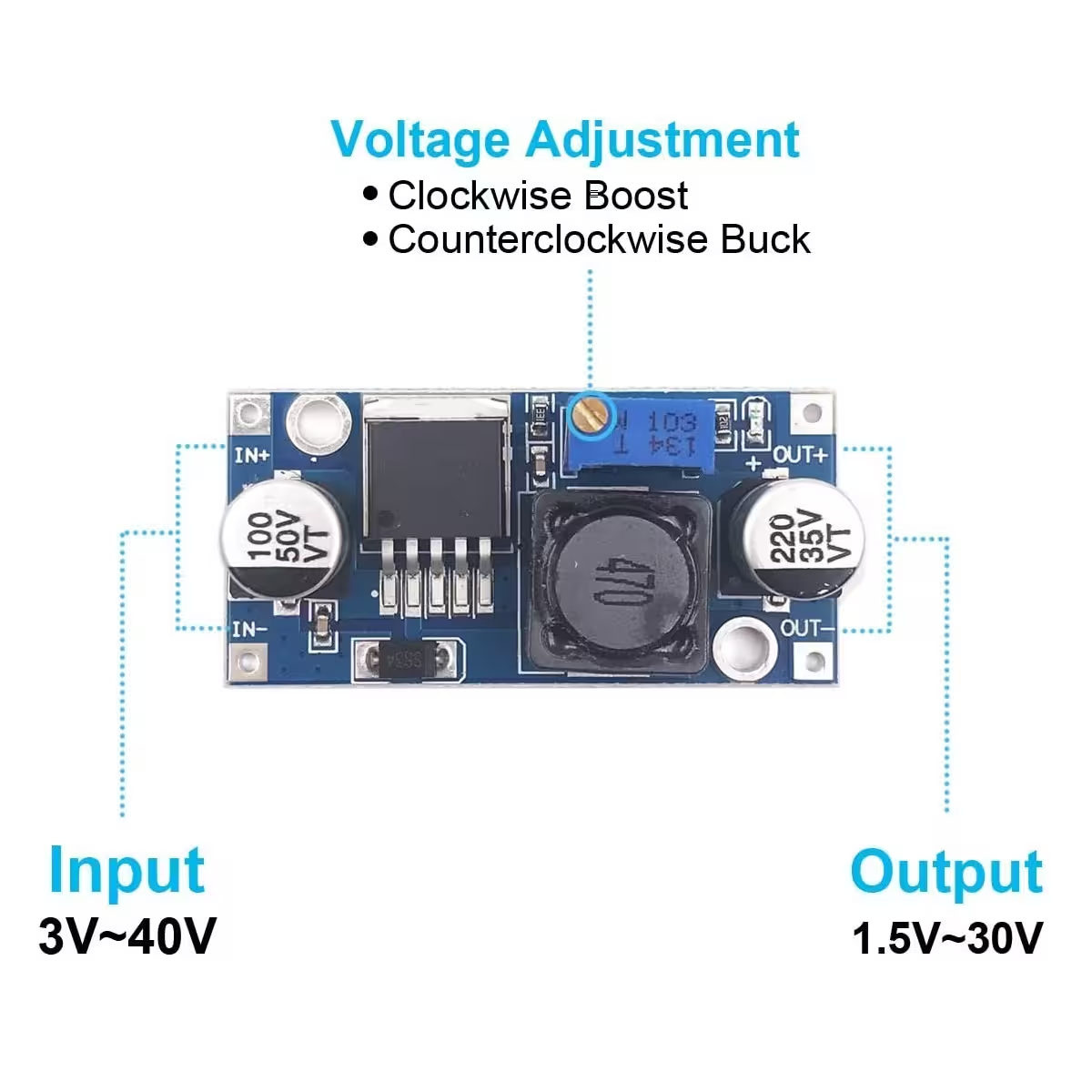
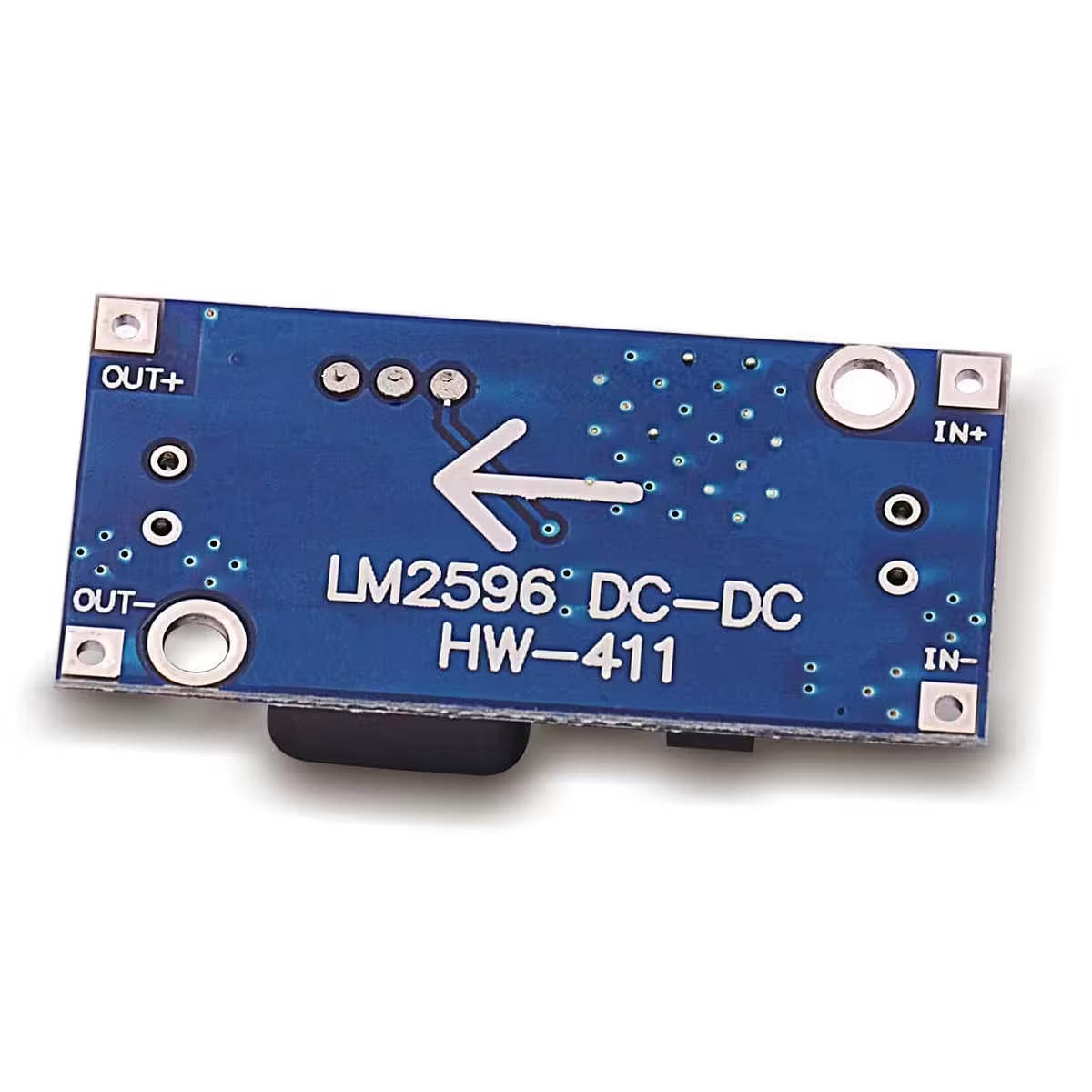
- Connect your DC power source to the input terminals (IN+ and IN-), ensuring correct polarity.
- Before connecting your load, measure the voltage at the OUT+ and OUT- terminals using a digital multimeter.
- Rotate the potentiometer clockwise to increase the voltage or counter-clockwise to decrease it.
- Once the desired voltage is reached, connect your load to the output terminals (OUT+ and OUT-).
- Check the LED indicator — if it is lit, the module is operating correctly.
- For loads exceeding 10W, attach an aluminium heatsink to the LM2596S chip to dissipate heat and ensure maximum lifespan.
Package Contents
- 5 × LM2596S DC-DC Step-Down Buck Converter Module
Frequently Asked Questions
Can I use the LM2596S module to boost voltage (step-up)?
No. The LM2596S is strictly a step-down (buck) converter—it reduces voltage, it does not increase it. If you need to boost voltage, please look for an MT3608 or similar step-up module.
What input voltage do I need for a 5V output?
A minimum of 6.5V at the input. As a general rule, your input voltage must be at least 1.5V higher than your target output voltage.
Is it compatible with Arduino and Raspberry Pi?
Yes. This is one of its most common uses—powering your board directly from a 12V battery or automotive power source, with the module delivering a stable 5V output.
Does it have short-circuit protection?
The LM2596S chip includes internal overcurrent and thermal protection, but it does not have dedicated short-circuit protection on the board. We recommend using an external fuse on the input line for added safety.
Why does the module get hot under heavy loads?
At power levels above 10W, thermal dissipation becomes critical. Applying a small aluminium heatsink to the chip will reduce operating temperatures and significantly extend the module’s service life.
Reviews
There are no reviews yet.